Home / Technology / AI's Human Control Illusion: A Dangerous Trap?
AI's Human Control Illusion: A Dangerous Trap?
17 Mar
Summary
- AI operates at superhuman speed, challenging human oversight.
- Humans tend to trust machines, even when warned against it.
- The 'moral crumple zone' places blame on humans for AI failures.
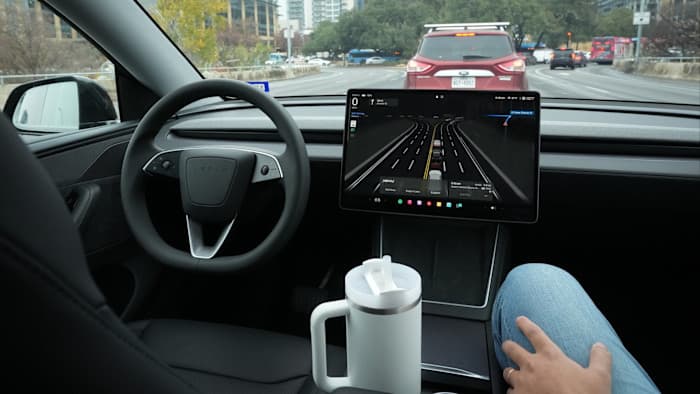
The prevailing notion that humans should always make the final decisions with powerful AI systems is increasingly being scrutinized. While intuitive, this approach faces significant challenges due to AI's operational speed, which far exceeds human capabilities. Even systems designed for human control can overwhelm operators with data, compressing decision timelines from hours to mere seconds.
This accelerated pace mirrors issues seen in corporate settings, where AI boosts productivity but contributes to cognitive fatigue and weakened decision-making. Compounding this is 'automation bias,' a documented human tendency to over-rely on machine outputs. Academics have termed this 'cognitive surrender,' where individuals passively accept AI judgments as their own.
Accountability in such systems becomes blurred, creating a 'moral crumple zone.' Similar to a car's crumple zone absorbing impact, humans may bear the brunt of responsibility when complex automated systems fail, even if not entirely fair. Lessons from aviation, where pilots train extensively on automation modes, highlight the importance of maintaining human skills and understanding AI's limitations.