Home / Technology / AI Doctors: Accuracy Vague, Trust Fades
AI Doctors: Accuracy Vague, Trust Fades
16 Jan
Summary
- AI chatbots show promise in medical tasks but lack diagnostic accuracy transparency.
- OpenAI and Anthropic are expanding AI into healthcare with tools for consumers and clinicians.
- Past privacy concerns with Google Health and DeepMind highlight public mistrust risks.
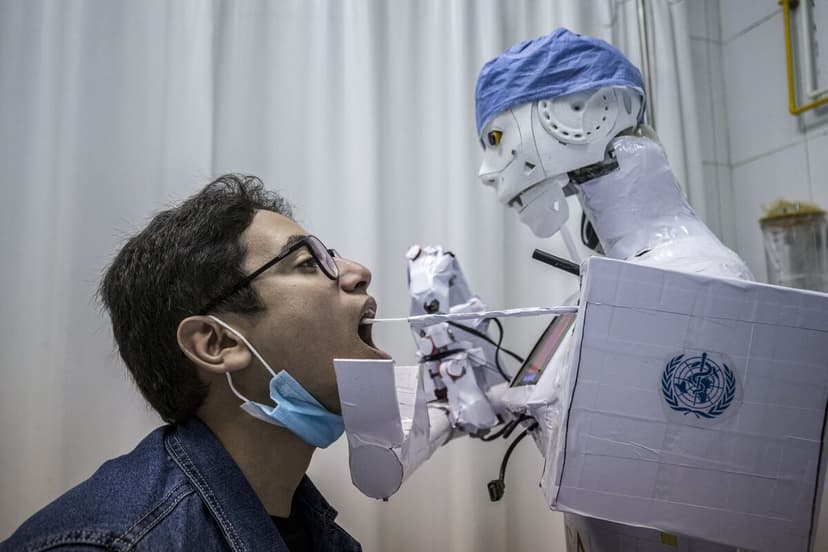
AI companies are making significant strides into the healthcare industry, with Anthropic's Claude and OpenAI's ChatGPT launching specialized versions for medical professionals and consumers. While Claude demonstrated 99.8% accuracy on diagnostic codes, its overall diagnostic accuracy remains unclear. OpenAI's ChatGPT Health aims for secure health queries but explicitly states it's not for diagnosis, despite millions seeking health advice weekly.
Anthropic's chatbot Claude exhibits a higher tendency to admit uncertainty compared to competitors, a crucial trait in healthcare. However, the company, like OpenAI, has not provided comprehensive data on diagnostic accuracy rates. This lack of transparency mirrors challenges faced by tech giants; Google's past health initiatives, Google Health and DeepMind's kidney failure alerts, faltered due to public privacy concerns and mistrust, despite technical capabilities.
The healthcare AI landscape faces a critical juncture, with public trust hinging on greater transparency regarding AI accuracy and potential hallucinations. As these tools become more integrated into clinical decision-making, the stakes are significantly higher than in other AI applications. Building confidence among healthcare professionals and the public will depend on openly addressing reliability issues, a lesson learned from Google's past stumbles in the sensitive health data sector.