Home / Technology / CES: AI Health Gadgets Promise More Than They Deliver?
CES: AI Health Gadgets Promise More Than They Deliver?
8 Jan
Summary
- Health tech gadgets at CES face scrutiny over accuracy and data privacy.
- FDA is relaxing regulations on low-risk general wellness products.
- Experts caution that AI health tools are not substitutes for medical professionals.
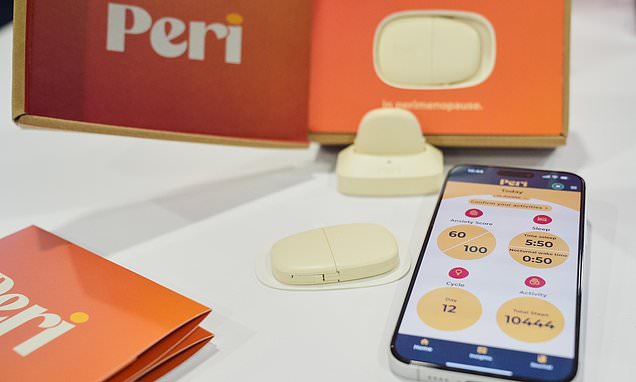
CES trade show in Las Vegas showcased a range of health tech gadgets, from smart scales promising heart health tracking to AI hormone trackers for conception. However, tech and health experts are questioning the accuracy of these devices and highlighting potential data privacy issues, especially as federal regulations ease.
The Food and Drug Administration announced it will relax rules on "low-risk" general wellness products, a move seen as part of a broader strategy to promote AI innovation. While these technologies offer potential benefits in analyzing medical data and streamlining doctor's schedules, they can also introduce biases and errors. Privacy advocates warn that data collected by consumer devices may not be covered by protections like HIPAA and could be used by companies for AI training or sold to third parties.
Despite these concerns, creators of the new health technologies assert their innovations address crucial gaps in healthcare, particularly in under-researched areas like women's health. Devices displayed at CES aim to provide better access to health information, assist people with disabilities, and support those in rural areas. However, experts strongly advise consumers to view these gadgets as supplementary tools rather than definitive sources of medical truth, underscoring the irreplaceable role of qualified healthcare professionals.