Home / Technology / AI Reimagines Film: Camera Moves After Actors Act
AI Reimagines Film: Camera Moves After Actors Act
13 Oct
Summary
- Generative AI allows camera repositioning post-performance capture.
- Hybrid production blends live-action, VFX, and generative workflows.
- Studio develops tools for controllable generative fluids and relighting.
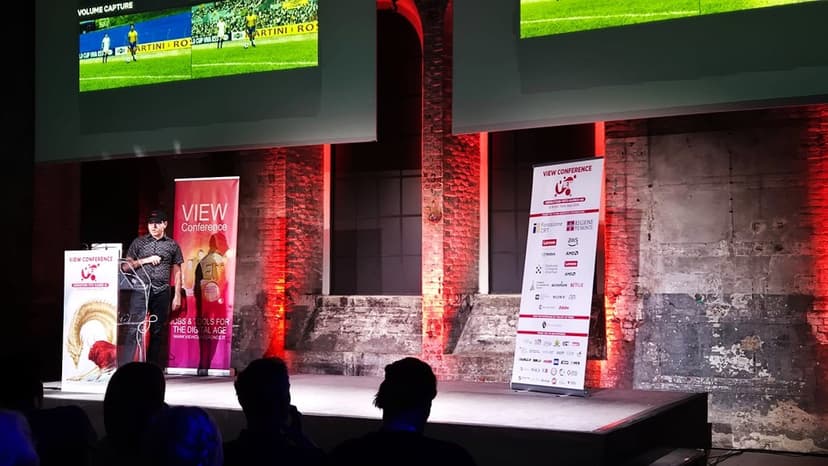
Netflix-owned Eyeline Studios is at the forefront of revolutionizing filmmaking with its 'hybrid production' approach, integrating generative AI with traditional methods. This innovative workflow allows for dynamic post-production changes, including repositioning the camera after actors have performed and digitally rebuilding locations and crowds.
The studio's generative art department collaborates with traditional artists, using "sparse set" workflows where performers act on partial sets. This foundation enables the recreation of detailed surroundings and lighting, crucially preserving the actors' original performances.
Further advancements include volumetric capture systems that grant freedom over camera perspectives and lighting after filming. Eyeline has successfully applied these techniques to Netflix productions like "Brazil '70: The Third Star," creating stadium crowds cost-effectively, and "The American Experiment," adding digitally constructed elements.
Ongoing research focuses on highly controllable generative fluids and AI-assisted relighting. Eyeline emphasizes proprietary models over off-the-shelf generators, ensuring cinematographers and production designers maintain creative control. Despite challenges in areas like temporal consistency, the goal is a cohesive final image, whether from camera, traditional VFX, or generative technology.


