Home / Technology / AI's Promise: Utopia or Unemployment?
AI's Promise: Utopia or Unemployment?
17 Sep
Summary
- AI leaders offer lengthy explanations for its benefits.
- Ethical debates surround AI's potential impact on jobs.
- Anthropic CEO advocates for AI's transformative power.
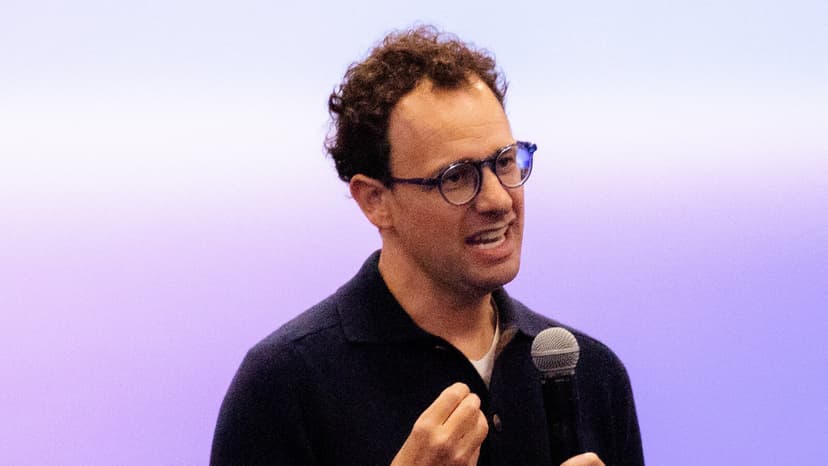
Silicon Valley technologists are actively explaining artificial intelligence (AI), with leaders like Mark Zuckerberg and Sam Altman publishing extensive commentaries. Anthropic CEO Dario Amodei is particularly prolific, penning numerous essays to reassure the public about AI's progress. These explanations often highlight potential benefits, such as freedom from disease and biological malleability.
However, the narrative around AI is complex, marked by public apprehension and ethical debates. Concerns about widespread unemployment and the potential for AI to become uncontrollable are frequently raised. Amodei's own stance has evolved, from cautioning against regulations in January to expressing gratitude for proposed AI oversight in June, reflecting the shifting political and public sentiment.
Anthropic and OpenAI face scrutiny over AI safety, with some employees issuing dire warnings about the risks. Amodei acknowledges AI's inherent difficulty to control, citing past research on AI safety. Despite these challenges, proponents like Amodei envision a future where AI ushers in an era of unprecedented human enhancement and freedom.
Ultimately, the discourse surrounding AI's future, as exemplified by Amodei's essays and the broader Silicon Valley narrative, oscillates between utopian promises of transformation and dystopian fears of societal upheaval. The ongoing debate underscores the profound impact AI is expected to have, necessitating careful consideration of its development and deployment.


