feedzop-word-mark-logo
searchLogin
Feedzop
homeFor YouUnited StatesUnited States
You
bookmarksYour BookmarkshashtagYour Topics
Trending
trending

Messi leads Inter Miami victory

trending

Indiana tops AP poll

trending

Notre Dame playoff snubbed

trending

NFL RedZone audio glitch

trending

Bengals beat the Bills

trending

Daniel Jones Achilles injury

trending

Coca-Cola faces plastic criticism

trending

Packers next game Denver Broncos

trending

Texans, Chiefs Sunday night

Terms of UsePrivacy PolicyAboutJobsPartner With Us

© 2025 Advergame Technologies Pvt. Ltd. ("ATPL"). Gamezop ® & Quizzop ® are registered trademarks of ATPL.

Gamezop is a plug-and-play gaming platform that any app or website can integrate to bring casual gaming for its users. Gamezop also operates Quizzop, a quizzing platform, that digital products can add as a trivia section.

Over 5,000 products from more than 70 countries have integrated Gamezop and Quizzop. These include Amazon, Samsung Internet, Snap, Tata Play, AccuWeather, Paytm, Gulf News, and Branch.

Games and trivia increase user engagement significantly within all kinds of apps and websites, besides opening a new stream of advertising revenue. Gamezop and Quizzop take 30 minutes to integrate and can be used for free: both by the products integrating them and end users

Increase ad revenue and engagement on your app / website with games, quizzes, astrology, and cricket content. Visit: business.gamezop.com

Property Code: 5571

Home / Technology / AI Slop Infiltrates Kids' YouTube Channels

AI Slop Infiltrates Kids' YouTube Channels

4 Dec

•

Summary

  • AI-generated videos are increasingly targeting young YouTube users.
  • Creators promote low-effort AI content for passive income.
  • Concerns rise over negative impacts on children's discernment skills.
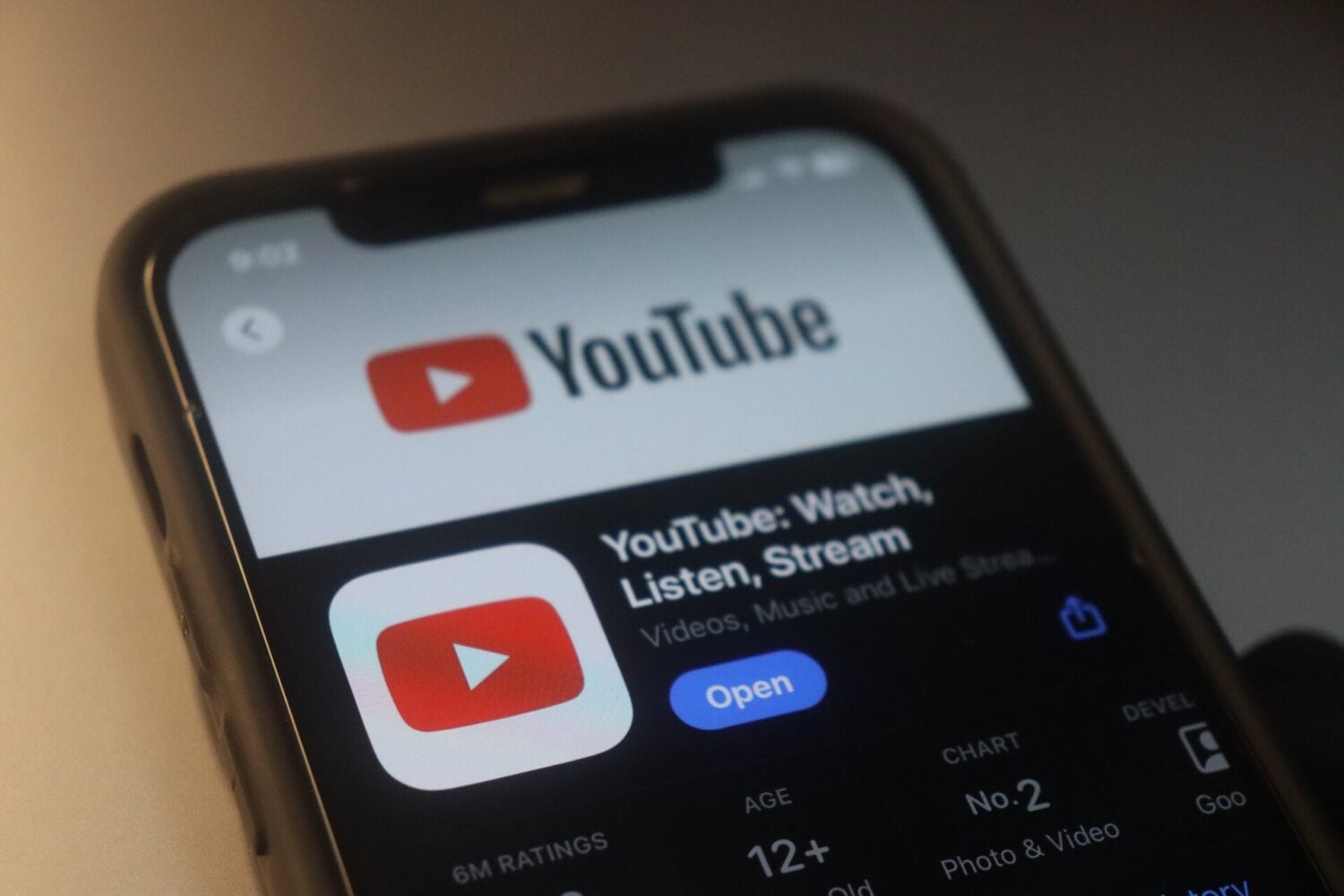
AI Slop Infiltrates Kids' YouTube Channels

A concerning trend sees AI-generated videos flooding YouTube, specifically targeting young audiences through popular "hustle" culture content. Creators are sharing tutorials on producing low-effort videos designed to capture the attention of children, promising significant daily earnings. This tactic exploits the historical issue of unchecked, inappropriate content found on kids' programming on the platform.

The Pew Research Center indicates a substantial portion of toddlers engage daily with YouTube, making them vulnerable to misinformation and low-quality AI-generated content. Experts from the American Academy of Pediatrics emphasize limiting media exposure for children under two due to critical brain development stages. The practice is viewed as particularly malicious given the target demographic.

In response, YouTube stated that its systems and monetization policies are designed to penalize spam and that mass-producing low-quality content is not a sustainable business model. However, the ongoing presence of such videos raises questions about the platform's effectiveness in safeguarding young viewers from potentially harmful, AI-driven content.


Disclaimer: This story has been auto-aggregated and auto-summarised by a computer program. This story has not been edited or created by the Feedzop team.
AI slop refers to low-effort, AI-generated videos created primarily for quick monetization, often lacking quality or substance.
Some 'hustle' YouTubers create tutorials teaching others how to make AI-generated videos, marketing them as an easy passive income stream, especially for kid audiences.
Risks include difficulty distinguishing real from fake, exposure to misinformation, and potential negative impacts on cognitive development during crucial early years.

Read more news on

Technologyside-arrowYouTubeside-arrow

You may also like

Study: Kids with Phones Before 12 Face Health Dangers

2 Dec • 26 reads

article image

New AI Model Transforms Rare Disease Diagnosis

24 Nov • 54 reads

article image

CDC Caves: Ignores Vaccine-Autism Link Despite Studies

21 Nov • 101 reads

article image

Leona Lewis Aids Blast Injury Research for Children

20 Nov • 37 reads

article image

Harvard Scientist's Chance Encounter Leads to Lifesaving Gene Therapy

17 Nov • 110 reads