Home / Technology / AI Giants Clash: Open vs. Closed Models Debate Heats Up
AI Giants Clash: Open vs. Closed Models Debate Heats Up
24 Jul
Summary
- AI leaders urge against broad restrictions on open-weight models.
- Concerns rise over alleged IP theft and Chinese AI model capabilities.
- Open models aid cybersecurity defense, argue industry signatories.
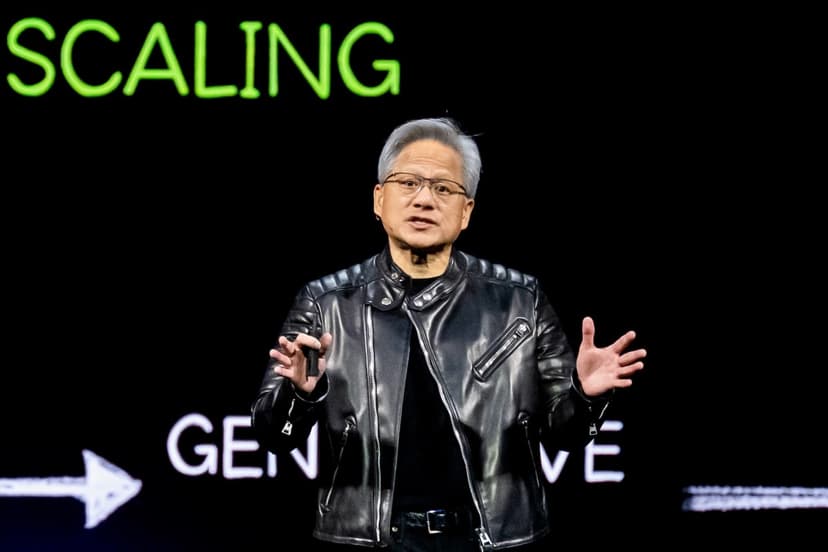
Major AI players, including Hugging Face, Meta, Microsoft, Mistral, and Nvidia, have collectively urged policymakers to avoid imposing premature restrictions on open-weight AI models. This appeal coincides with ongoing discussions in Washington regarding allegations of intellectual property theft by Chinese AI companies and their escalating capabilities.
The signatories argue that techniques like distillation, which uses one model's outputs to train another, are vital for AI improvement and innovation. They contend that while unlawful extraction of value from closed models is a legitimate concern, it should be addressed through specific legal and commercial frameworks, not sweeping prohibitions on common development practices.
The open letter also counters the notion that open-weight models inherently pose greater risks due to expanded access. The letter asserts that open models are essential for defenders to detect and combat advanced AI-driven cyber threats, thereby increasing transparency and facilitating vulnerability remediation.
This initiative reveals a significant divergence within the AI industry. Companies like OpenAI and Anthropic advocate for a firm response to alleged IP theft, concerned about the business impact of accessible, highly capable open-source models. In contrast, the letter's signatories have a vested interest in the growth of open AI, as it drives demand for their infrastructure services like GPUs and cloud computing.
To foster continued progress, the letter encourages policymakers to enhance access to compute resources for startups and researchers. It also calls for investment in shared training assets, such as datasets and evaluation tools, while urging against restrictions that could stifle competition or push innovation elsewhere.


