Home / Technology / AI Takes Flight: Aviation's Risky Tech Leap
AI Takes Flight: Aviation's Risky Tech Leap
14 Nov
Summary
- A pilotless Cessna flew coast-to-coast, marking a milestone.
- New AI traffic tool SMART caused a national flight groundstop.
- AI promises efficiency but raises significant safety concerns.
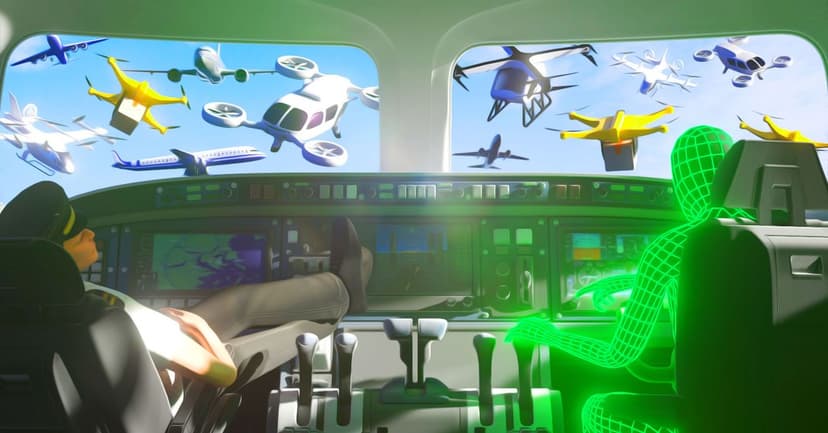
The aviation sector is undergoing a significant transformation with the rapid integration of artificial intelligence. This includes advancements like pilotless flights, exemplified by a Cessna's coast-to-coast journey without human intervention. Simultaneously, new AI-infused air traffic management tools, such as the SMART system, are being deployed to enhance efficiency and reduce delays.
However, this technological leap is not without its perils. A recent national groundstop, disrupting airline schedules worldwide, raised questions about the reliability of these new AI systems, with officials unable to definitively rule out AI failure. Despite assurances of no cyberattack, concerns linger about the unpredictable nature of AI in critical operations.
The industry's embrace of AI, spurred by drone technology since the early 2000s, has led to initiatives like NextGen and the development of electric vertical takeoff and landing (eVTOL) aircraft. Companies like Amazon and Walmart are expanding drone delivery services, while eVTOL manufacturers aim for widespread electric air taxi use.
While AI promises revolutionary changes, including optimized scheduling and potentially fewer human controllers, significant safety and regulatory hurdles remain. The conservative nature of aviation regulation clashes with Silicon Valley's pace, demanding rigorous proof of safety. The future of AI in aviation hinges on balancing innovation with the paramount need for reliability and security.


