
Home / Sports / From Tiento to Trionda: A Ball's Journey
From Tiento to Trionda: A Ball's Journey
7 May
Summary
- Early World Cups used multiple balls, leading to disputes in the final.
- Balls evolved from hand-stitched leather with laces to synthetic designs.
- The 2026 Trionda ball features symbols for its three host nations.
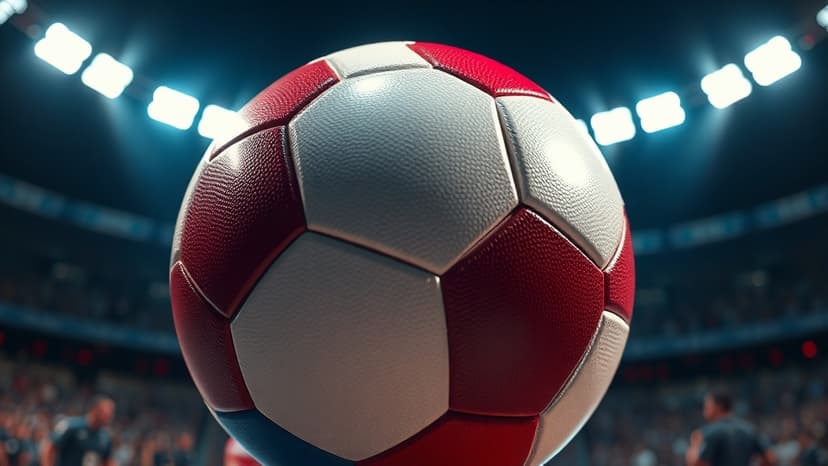
The history of the FIFA World Cup is intricately linked to its official match balls, each reflecting the host nation's traditions. Since 1970, adidas has been the sole supplier, a shift from earlier tournaments where host countries provided the balls. The 2026 World Cup, co-hosted by Canada, Mexico, and the United States, will feature the Trionda ball, designed with elements representing all three nations.
The journey began in 1930 with no official ball, even leading to a ball dispute in the final match. By 1934, the Federale 102 marked FIFA's first standardized ball. Subsequent balls evolved through various designs, materials, and construction methods, from hand-stitched leather with visible laces to seamless, synthetic designs.
Significant changes include the 1970 Telstar's iconic black-and-white panels for TV visibility and the 1986 Azteca, the first fully synthetic ball. The 2010 Jabulani and 2014 Brazuca introduced advanced panel constructions and public naming processes.
Modern balls like the 2018 Telstar 18 and 2022 Al Rihla incorporated technology such as internal chips for data tracking. The upcoming 2026 Trionda continues this innovation, with its design symbolizing the co-hosting nations through colors and embossed symbols.
