Home / Sports / Senate Passes Historic College Sports Bill
Senate Passes Historic College Sports Bill
30 Sep
Summary
- Senate approved the Protect College Sports Act by a 77-22 vote.
- The bill codifies NCAA rules, grants limited antitrust exemptions, and allows direct athlete payments.
- The legislation now moves to the House of Representatives for consideration.
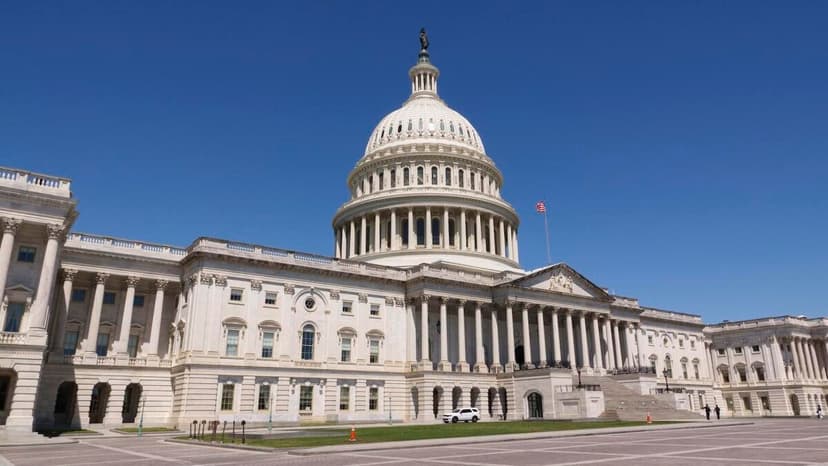
The U.S. Senate recently passed the Protect College Sports Act with a 77-22 vote, marking a significant legislative milestone for college athletics. This bipartisan bill, sponsored by Senators Ted Cruz and Maria Cantwell, aims to integrate NCAA rules into federal law, offering a limited antitrust exemption for managing athlete transfers and eligibility. It also codifies the House v. NCAA settlement, enabling schools to pay athletes directly. The Senate's approval represents the first time either chamber of Congress has passed comprehensive federal legislation for college sports.
The bill's passage in the Senate propels it to the House of Representatives, though its consideration before the November 3 midterm elections remains uncertain. Sources indicate a potential delay until a lame-duck session, with Speaker Mike Johnson expecting a post-election vote. Key provisions include protecting Name, Image, and Likeness (NIL) opportunities, establishing clear transfer rules, and preventing the formation of super leagues. The legislation allocates significant funds for athlete compensation, with schools potentially paying up to $50 million annually, a substantial increase from current levels.
Despite broad support from the NCAA and numerous conferences, the bill faces opposition. Critics, including Senators Cory Booker and Chris Murphy, argue it entrenches the NCAA's structure and limits athletes' rights, particularly regarding employee status and collective bargaining. Concerns also surround the allocation of funds for Historically Black Colleges and Universities and potential barriers to athletes suing for health and safety standards. The bill must navigate further legislative hurdles, including government funding deadlines and potential House amendments, before potentially becoming law by January 3.


