Home / Sports / Milan Olympics: Culture Buried Under Corporate Clutter
Milan Olympics: Culture Buried Under Corporate Clutter
13 Feb
Summary
- Milan's Olympic Games replaced public spaces with corporate pavilions.
- Protests erupted against the commodification of city spaces and gentrification.
- Mountain communities faced infrastructure expansion and luxury tourism models.
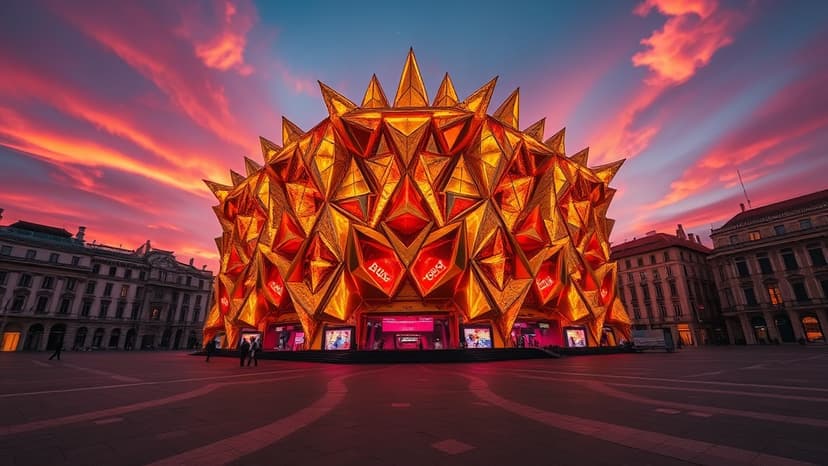
Milan's Winter Olympics have been criticized for overshadowing the city's culture and architecture with corporate branding and temporary structures. Public spaces, from Piazza del Duomo to Sforzesco Castle, have been appropriated for Olympic-themed pavilions and events. The opening ceremony, intended to showcase Italian excellence, has been described as a generic display of stereotypes rather than a reflection of the nation's diverse cultural landscape. Protests have occurred in response to the commodification of urban spaces and gentrification, with property prices soaring around the Olympic Village.
Similar to the 2015 Milan Expo, concerns about public waste and gentrification have been raised. In contrast, the 2006 Turin Olympics were noted for integrating with the city's cultural fabric through events and long-term infrastructure improvements. The mountain regions hosting outdoor events have also faced criticism. Cortina, for instance, has seen extensive infrastructure expansion and a move towards a luxury-only tourism model, impacting local businesses. Communities like Bormio have had to adapt to increased security measures and checkpoints.
The treatment of the Ladin people, an ancient ethnic minority, has also been a point of contention, with accusations of exclusion from planning processes and the rebranding of their heritage. Organizers promised to connect Milan with the surrounding mountains, but critics argue the Games have highlighted a growing incompatibility between these two worlds. The event is seen by many as a glitzy performance that fails to resonate with the public, tarnishing the spirit of the Olympics by exploiting hospitality for commercial gain.