

Home / Sports / Heading Study: Energy Transfer Unchanged by Ball Age
Heading Study: Energy Transfer Unchanged by Ball Age
20 Apr
Summary
- Older leather balls did not transfer more energy than newer ones.
- Energy transfer levels remained consistent across different eras.
- New research focuses on minimizing energy transfer to the brain.
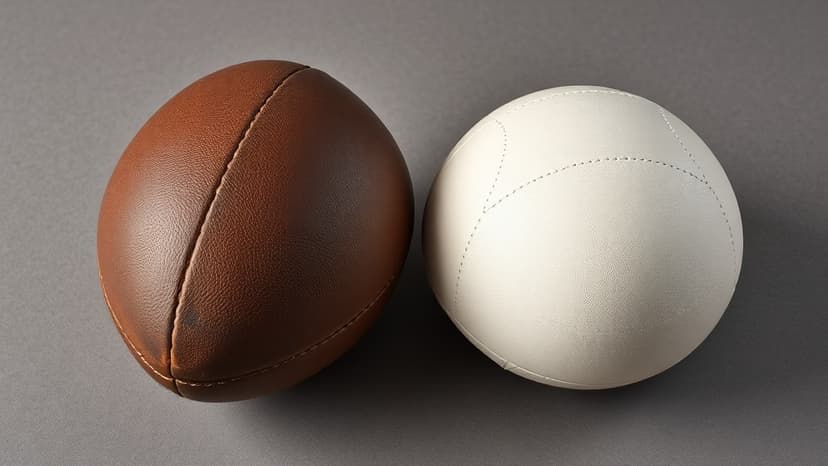
Recent studies suggest that the energy transferred to the brain during football headers has not significantly changed over time, irrespective of ball material. Professor Andy Harland from Loughborough University highlighted that there's no trend indicating increased or decreased energy transfer, meaning modern balls do not pose a greater risk than older leather ones.
This discovery is crucial as football faces mounting pressure to address brain injuries potentially linked to heading. While the exact mechanism remains unexplained, researchers like Dr. Ieuan Phillips are focusing on this measured energy transfer to inform future ball designs and testing specifications. The aim is to reduce the impact on players' brains, offering a new avenue for research beyond statistical correlations.
Past research, like the 2019 'Field' study, indicated footballers are 3.5 times more likely to suffer neurodegenerative disorders. In response, governing bodies like the FA have implemented phased heading bans in youth football and issued training guidelines. The Scottish FA has also restricted heading in the professional adult game, underscoring the growing concern over player welfare.
