


Home / Sports / Dawn Staley's Fight for Equal Pay Sparks Coaching Salary Surge
Dawn Staley's Fight for Equal Pay Sparks Coaching Salary Surge
4 Apr
Summary
- Staley's 2021 contract ignited a 45% salary increase for power conference coaches.
- Her $22.4 million deal set a benchmark for women's basketball program investment.
- 23 coaches have remained in their roles, seeing significant salary growth since 2021.
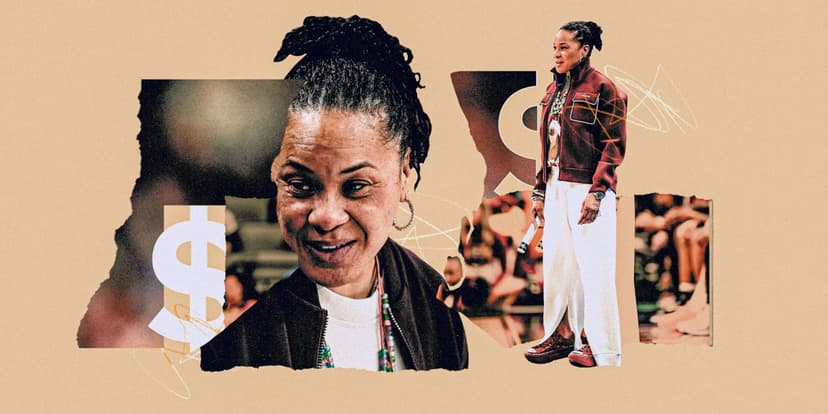
Five years ago, the NCAA's treatment of women's teams sparked national outrage, prompting South Carolina coach Dawn Staley to advocate for equitable compensation. Witnessing disparities, including her male counterpart receiving a more lucrative contract extension, Staley sought legal counsel to negotiate her own deal.
In April 2021, Staley secured a $22.4 million, seven-year contract, averaging $3.2 million annually. This landmark agreement aimed to serve as a benchmark for other universities to invest more significantly in their women's basketball programs. As of January 2025, she signed an extension exceeding $4 million per year.
This push for equal pay has had a tangible effect. Over the past five years, coaches who have remained in their positions within power conferences have experienced an average salary increase of 45%. Staley's proactive approach is widely credited with raising the bar, influencing contract negotiations across the country and inspiring other women in coaching.
Staley's influence extends beyond her personal salary, which rose 58%. Other prominent coaches also saw substantial raises, with Geno Auriemma receiving a 22% increase and Kim Mulkey a 27% bump. Conferences like the SEC and Big 12 saw significant coach salary growth, with the Big 12's average increase reaching 80% partly due to trend corrections and notable individual raises.
Furthermore, coaches who moved between power conference roles during this period often saw even larger percentage increases. Joni Taylor's move to Texas A&M resulted in an 88% salary increase, while Kenny Brooks' relocation to Kentucky more than doubled his earnings. These shifts highlight a broader trend of increased financial investment in women's college basketball, significantly influenced by Staley's trailblazing efforts.
