Home / Sports / Cricket Boycott Averted: Sri Lanka Reaps Rewards
Cricket Boycott Averted: Sri Lanka Reaps Rewards
14 Feb
Summary
- A potential boycott by Pakistan threatened Sri Lanka's economy.
- Hotels saw rates surge by 300-400% after boycott reversal.
- Sri Lanka's president urged Pakistan to reconsider for diplomatic reasons.
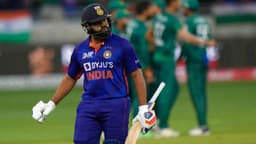
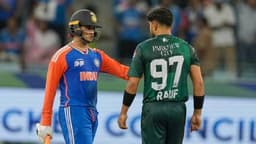
Nearly three decades ago, India and Pakistan united for a cricket match against Sri Lanka, showcasing solidarity. Recently, Pakistan's government ordered its team not to play India in the T20 World Cup, causing chaos for the tournament and concern for Sri Lanka, the host.
After a week of negotiations, Pakistan reversed its decision, averting a crisis. This outcome proved beneficial for Sri Lanka, which was still recovering from its 2022 economic crisis. The tourism and hospitality sectors, hit hard previously, anticipated an influx of fans, boosting local businesses and creating temporary employment.
The averted boycott also had geopolitical implications. Pakistan's initial decision was political, supporting Bangladesh. The reversal, influenced by regional diplomatic efforts, highlighted Sri Lanka's role as a neutral mediator and reinforced its strong ties with Pakistan, dating back to Sri Lanka's return to international cricket after a 2009 attack.
The R Premadasa International Cricket Stadium in Colombo was set to host the anticipated fixture, with organizers expecting a capacity crowd. The near-cancellation underscored the substantial economic and diplomatic stakes involved in such high-profile sporting events in South Asia.