Home / Sports / College Sports: Systemic Crisis or Irrational Design?
College Sports: Systemic Crisis or Irrational Design?
5 Mar
Summary
- Administrators warn of structural collapse in college sports.
- College athletics is a vital marketing tool for universities.
- Current reform efforts overlook the inherently irrational nature of college sports.

Calls for widespread structural reforms in college sports are intensifying as administrators highlight concerns about financial viability and potential collapse. Recent discussions, including a white paper from Louisville administrators and meetings hosted by private capital groups, underscore a growing urgency.
However, a central question remains unaddressed: whether participants truly understand what they are trying to save. College athletics, while messy, thrives on record ratings and attendance, serving as a critical marketing engine for universities and fostering significant brand loyalty.
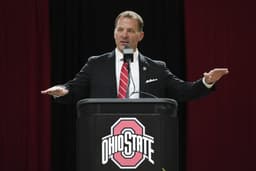
The financial figures cited by institutions like Ohio State and Penn State, which show losses despite success, are viewed not as mismanagement but as symptoms of a larger structural issue. Yet, the article posits that this financial model is a chosen operational strategy rather than a crisis.
The underlying issue is the inherently irrational nature of college sports, driven by competition and emotional investment rather than pure profit. Efforts to enact significant change over the past decade have yielded little tangible progress, with meetings and hearings largely producing more discussion than action.
Future discussions, such as a presidential roundtable, are critiqued for potentially lacking the perspectives of actual student-athletes and current coaches. These forums often prioritize high-profile names over those directly involved in the daily operations of college sports, raising doubts about their effectiveness in finding meaningful solutions.