

Home / Sports / US Men Out in Madrid: A Familiar Clay Court Failure
US Men Out in Madrid: A Familiar Clay Court Failure
28 Apr
Summary
- No American man has ever reached the Madrid Open final.
- Most U.S. players grow up on hard courts, not clay.
- American style favors quick points, while clay demands patience.
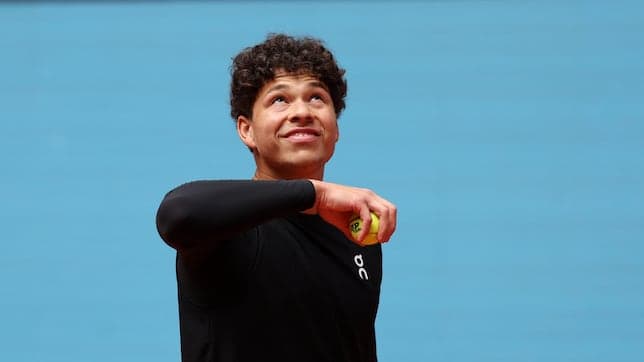
As the Madrid Open progresses, the early elimination of all American men from the tournament underscores a long-standing challenge for U.S. tennis on clay. The Caja Mágica has historically been a difficult venue for American players, with no man from the United States ever reaching the final. This year's performance, where 12 entered but none advanced past the third round, mirrors a century of struggles on the surface.
The roots of this issue are deeply embedded in the American tennis culture. Unlike in Europe, most young American players do not grow up with access to genuine red clay courts. Instead, they often train on faster green Har-Tru courts, which do not replicate the conditions of European clay. This lack of exposure means many American players do not develop crucial skills like sliding, point construction, and defensive play on clay.
Furthermore, the stylistic preferences in American tennis often clash with the demands of clay. The traditional U.S. game emphasizes powerful serves, flat hitting, and aggressive, short points. However, clay courts, known for being slower and requiring more patience, tend to neutralize big serves and force players into extended rallies. This difference in style means that clay-court tennis exposes movement weaknesses and requires a discipline that many American players have not cultivated.
While the U.S. continues to produce a strong number of players within the ATP top 100, clay remains a significant hurdle. The success of Coco Gauff as the reigning French Open champion on the women's side contrasts sharply with the men's ongoing difficulties. Until there is a substantial investment in developing American talent on red clay and a cultural shift towards embracing the grind the surface demands, this pattern is likely to persist.
