Home / Sports / ASU Fined Heavily, Questions NCAA's Fairness
ASU Fined Heavily, Questions NCAA's Fairness
29 Jul
Summary
- Alabama State faces probation, $30K fine, and budget percentage penalty.
- University questions NCAA's inconsistent handling of similar cases.
- Penalties differ starkly from Arizona's minor violation for same athlete.
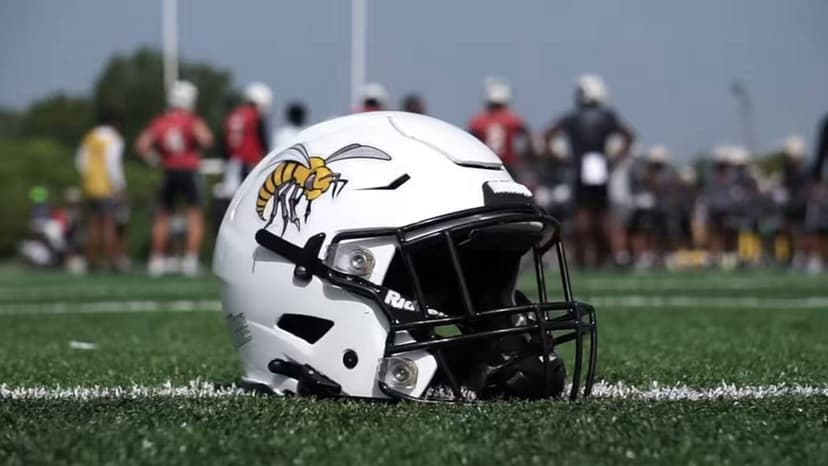
Alabama State University has accepted the NCAA Committee on Infractions ruling, which imposes three years of probation, a $30,000 fine, and an additional financial penalty equal to 1% of the football program's budget. The university will not appeal but has voiced concerns regarding the NCAA's inconsistent application of penalties. University officials highlighted a perceived disparity, noting that Alabama State received a serious penalty for actions linked to a former employee, while the University of Arizona faced only a minor violation after certifying and playing the same student-athlete central to the investigation.
The NCAA's findings detailed how a former sports information director at Alabama State altered a football player's statistics on the athletics website during the 2019 season, reportedly at the former head coach's direction. While certain factors led to a reduction from an Aggravated Level I to a Mitigated Level I violation, the committee still classified it as a Level I violation. Crucially, the case did not involve findings of a lack of institutional control or failure to monitor, which are common in major NCAA infractions cases.
The disparity became apparent when former Alabama State player Jacory Croskey-Merritt transferred to New Mexico and then Arizona. Questions arose about his 2019 participation statistics at Alabama State, specifically whether he played in four or eight games, impacting his redshirt status. Arizona, having certified his eligibility based on available records, received a Level III violation and a $500 fine. Alabama State leaders, including President Dr. Quinton T. Ross Jr., expressed that this difference reflects a significant disparity and underscores the need for consistent application of standards and fairness within NCAA governance.
The NCAA differentiates violations based on the nature of the offense, with intentionally altering official competition records being distinct from using incorrect eligibility information. This explains the different classifications for Alabama State and Arizona. Despite the reduction in classification, Alabama State maintains that the scope of the penalty does not reflect the university's limited involvement. Corrective measures implemented by Alabama State include enhanced statistical reporting, expanded compliance education, additional audits, and stronger internal oversight, which will remain in effect until 2029.


