Home / Sports / World Cup Heat: Are Players & Fans at Risk?
World Cup Heat: Are Players & Fans at Risk?
6 Jun
Summary
- Extreme heat poses a significant threat to players and spectators.
- Frequency of hot days tripled in repeat host cities since 1986.
- FIFA's ban on refillable water bottles faces criticism.
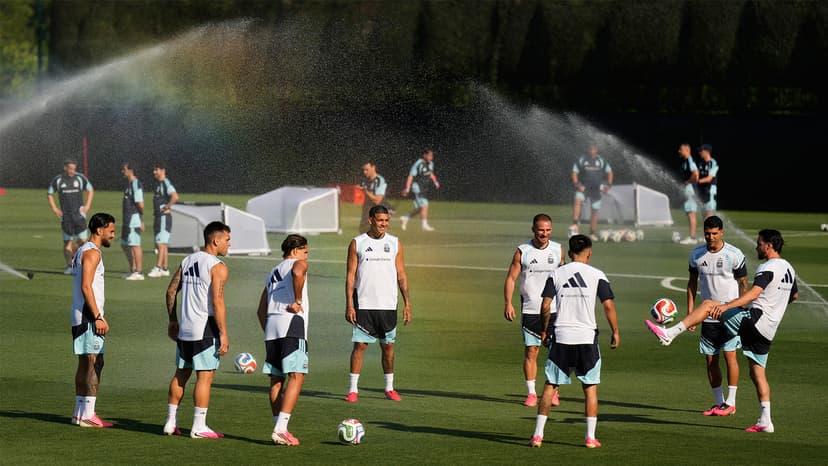
The upcoming 2026 World Cup, spanning cities across Canada, the U.S., and Mexico, is expected to encounter extreme high temperatures and humidity. Meteorological summer has begun, with average temperatures in many host cities potentially exceeding the 80s and 90s Fahrenheit. Research indicates that the frequency of extremely hot days in June and July has tripled on average across repeat host cities since 1986.
Cities like Monterrey, Mexico; Arlington, Texas; and Houston are identified as having the highest risk for extreme heat. While some stadiums are air-conditioned, others like Estadio Monterrey are open-air, and training facilities largely lack cooling. Heat significantly impairs athletic performance, leading to cardiovascular strain, hyperthermia, and dehydration, with recovery times also affected.
Spectators also face risks, particularly during travel to and from matches, and if consuming alcohol. Extreme heat is a leading weather-related killer, with vulnerable populations at higher risk. Hydration is critical, yet FIFA's recent policy change banning refillable water bottles has drawn criticism. FIFA has implemented three-minute hydration breaks during halftime, but experts deem this insufficient.
Concerns have been raised by current and former players regarding heat's impact on performance and health. They have urged FIFA to update its heat-stress framework and address its climate impact. Despite scheduling to minimize travel, some matches in Miami are set for late afternoon, exacerbating the heat risks for players, spectators, and workers.


