feedzop-word-mark-logo
searchLogin
Feedzop
homeFor YouUnited StatesUnited States
You
bookmarksYour BookmarkshashtagYour Topics
Trending
Terms of UsePrivacy PolicyAboutJobsPartner With Us

© 2026 Advergame Technologies Pvt. Ltd. ("ATPL"). Gamezop ® & Quizzop ® are registered trademarks of ATPL.

Gamezop is a plug-and-play gaming platform that any app or website can integrate to bring casual gaming for its users. Gamezop also operates Quizzop, a quizzing platform, that digital products can add as a trivia section.

Over 5,000 products from more than 70 countries have integrated Gamezop and Quizzop. These include Amazon, Samsung Internet, Snap, Tata Play, AccuWeather, Paytm, Gulf News, and Branch.

Games and trivia increase user engagement significantly within all kinds of apps and websites, besides opening a new stream of advertising revenue. Gamezop and Quizzop take 30 minutes to integrate and can be used for free: both by the products integrating them and end users

Increase ad revenue and engagement on your app / website with games, quizzes, astrology, and cricket content. Visit: business.gamezop.com

Property Code: 5571

Home / Science / Trees Keep Dead Leaves: Nature's Winter Mystery Solved

Trees Keep Dead Leaves: Nature's Winter Mystery Solved

2 Feb

•

Summary

  • Marcescence, where trees retain dead leaves, occurs in over 1,000 species.
  • Younger trees and lower branches are more likely to exhibit leaf marcescence.
  • Dead leaves may protect buds from deer, frost, or aid in faster nutrient return.
Trees Keep Dead Leaves: Nature's Winter Mystery Solved

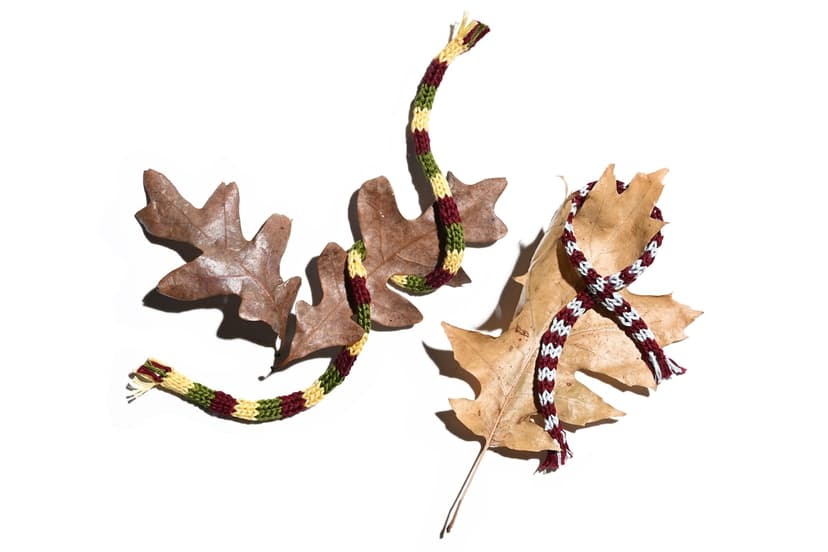
Even in winter's chill, certain trees like oaks and beeches retain their brittle, brown foliage. This phenomenon, known as marcescence, derived from the Latin for withered, has been observed for at least 2,000 years. Scientists are now investigating why these deciduous species cling to leaves that no longer nourish them, discovering it's a trait present in far more plants than previously assumed.

Recent studies across botanical gardens in North America, Europe, and Asia revealed marcescence in over 1,061 species. This includes unexpected plants like blueberries and honeysuckles. Younger trees and their lower branches often exhibit this trait more prominently, particularly in colder climates. Researchers suggest this is a heritable characteristic, with genetics playing a significant role in its transmission.

trending

HAL out of stealth jet

trending

Tanker stalls Mumbai-Pune expressway

trending

India U19 World Cup Semi

trending

Anthropic AI triggers 'SaaSpocalypse'

trending

IT index plummets

trending

2026 Winter Olympics details

trending

ChatGPT outage reported today

trending

AI music generator platform

trending

Lakers beat Nets, 112-100

Several theories explain the evolutionary advantage of marcescence. One prominent idea is that the unappetizing, tannin-rich dead leaves deter herbivores like deer from consuming new buds. Another possibility is that these desiccated leaves offer physical protection against frost. Furthermore, marcescent leaves may decompose faster in the soil, speeding up nutrient return to the plant as it prepares for spring growth.

Disclaimer: This story has been auto-aggregated and auto-summarised by a computer program. This story has not been edited or created by the Feedzop team.
Marcescence is a botanical phenomenon where certain deciduous trees, like oaks and beeches, retain their dead, withered leaves through the winter months instead of shedding them in autumn.
Marcescence is more widespread than previously thought, observed in over 1,061 plant species across North America, Europe, and Asia, including unexpected varieties like blueberries and honeysuckles.
Potential benefits include deterring herbivores like deer from eating new buds due to the leaves' unappetizing taste, offering physical protection against frost, and potentially aiding in faster nutrient return to the soil upon decomposition.

Read more news on

Scienceside-arrow

You may also like

Can 'Zombie Trees' Be Saved From Extinction?

23 Jan • 35 reads

article image

Purple Tomatoes Hit Supermarket Shelves

22 Jan • 65 reads

article image

Man Claims Girlfriend Jumped in Tower Fall Trial

16 Jan • 79 reads

article image

Olympics Spotlight Sparks Dolomites Overtourism Crisis

15 Jan • 99 reads

article image

New Species Discovered: Many Already Face Extinction

8 Jan • 153 reads

article image