Home / Science / Trees Keep Dead Leaves: Nature's Winter Mystery Solved
Trees Keep Dead Leaves: Nature's Winter Mystery Solved
2 Feb
Summary
- Marcescence, where trees retain dead leaves, occurs in over 1,000 species.
- Younger trees and lower branches are more likely to exhibit leaf marcescence.
- Dead leaves may protect buds from deer, frost, or aid in faster nutrient return.
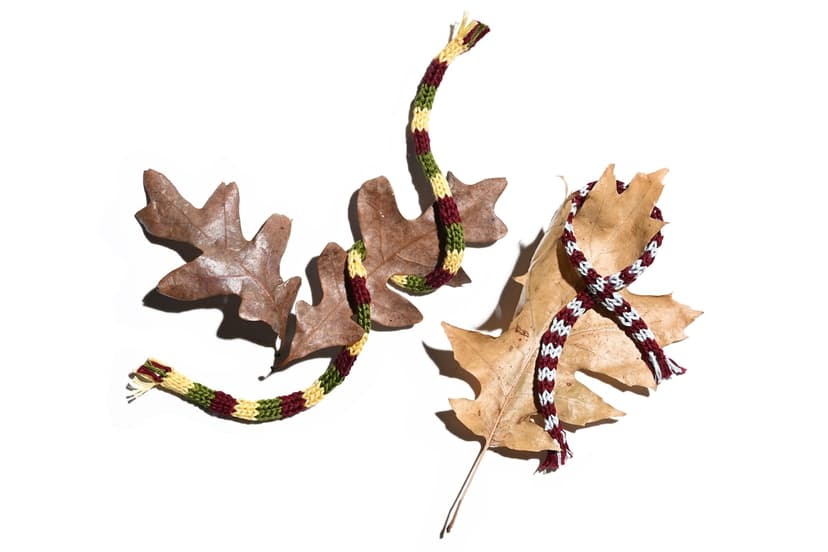
Even in winter's chill, certain trees like oaks and beeches retain their brittle, brown foliage. This phenomenon, known as marcescence, derived from the Latin for withered, has been observed for at least 2,000 years. Scientists are now investigating why these deciduous species cling to leaves that no longer nourish them, discovering it's a trait present in far more plants than previously assumed.
Recent studies across botanical gardens in North America, Europe, and Asia revealed marcescence in over 1,061 species. This includes unexpected plants like blueberries and honeysuckles. Younger trees and their lower branches often exhibit this trait more prominently, particularly in colder climates. Researchers suggest this is a heritable characteristic, with genetics playing a significant role in its transmission.