feedzop-word-mark-logo
searchLogin
Feedzop
homeFor YouUnited StatesUnited States
You
bookmarksYour BookmarkshashtagYour Topics
Trending
Terms of UsePrivacy PolicyAboutJobsPartner With Us

© 2026 Advergame Technologies Pvt. Ltd. ("ATPL"). Gamezop ® & Quizzop ® are registered trademarks of ATPL.

Gamezop is a plug-and-play gaming platform that any app or website can integrate to bring casual gaming for its users. Gamezop also operates Quizzop, a quizzing platform, that digital products can add as a trivia section.

Over 5,000 products from more than 70 countries have integrated Gamezop and Quizzop. These include Amazon, Samsung Internet, Snap, Tata Play, AccuWeather, Paytm, Gulf News, and Branch.

Games and trivia increase user engagement significantly within all kinds of apps and websites, besides opening a new stream of advertising revenue. Gamezop and Quizzop take 30 minutes to integrate and can be used for free: both by the products integrating them and end users

Increase ad revenue and engagement on your app / website with games, quizzes, astrology, and cricket content. Visit: business.gamezop.com

Property Code: 5571

Home / Science / Drones Capture Whale Breath for Disease Discovery

Drones Capture Whale Breath for Disease Discovery

3 Jan

•

Summary

  • Drones collected breath samples from wild Arctic whales.
  • Virus linked to mass strandings found in Arctic waters.
  • Drone sampling is a less invasive method for studying whales.
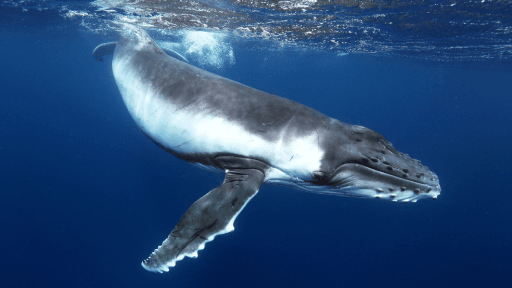
Drones Capture Whale Breath for Disease Discovery

A groundbreaking study has successfully employed drones to collect breath samples from wild whales in Arctic regions, marking a significant advancement in marine mammal research. This innovative approach allows scientists to study the health of these elusive creatures without invasive procedures. Previously, samples were primarily obtained from dead whales or via dart guns, leaving wounds on live animals.

The drone technology enabled researchers to gather exhales from surfacing whales onto petri dishes, leading to the first detection of cetacean morbillivirus in Arctic waters. This virus has been responsible for numerous outbreaks affecting dolphins, whales, and porpoises worldwide since its discovery in 1987. It significantly impacts their respiratory and neurological systems.

This discovery in northern Norway, affecting humpback, sperm, and pilot whales, highlights potential gaps in previous surveillance. Scientists anticipate that continued data collection over years will help unravel disease transmission patterns, potentially revealing how stressors like pollution and climate change influence these dynamics, aiding future conservation efforts.

Disclaimer: This story has been auto-aggregated and auto-summarised by a computer program. This story has not been edited or created by the Feedzop team.
Scientists used drones flown over surfacing whales to collect breath samples from their blowholes.
Cetacean morbillivirus is an infectious virus affecting marine mammals, linked to mass strandings and deaths globally.
Drones offer a less invasive method for collecting samples from wild whales compared to traditional dart gun biopsies.

Read more news on

Scienceside-arrowNorwayside-arrow
trending

Marin County hit by flooding

trending

Dinosaur footprints near Olympics site

trending

Texans vs Steelers playoffs

trending

Steelers Ravens AFC North battle

trending

Harbaugh's future uncertain says ESPN

trending

Zay Flowers active, healthy

trending

Chalamet wins Critics Choice Award

trending

Monday Night Football playoff schedule

trending

Czechs knock out Canada

You may also like

Hawaii Sperm Whale Dies From Marine Debris Ingestion

1 day ago • 4 reads

article image

Plastic Bag Kills Rare Whale on Utila

29 Dec, 2025 • 27 reads

article image

Elusive Ginkgo-Toothed Whale Finally Seen Alive

22 Dec, 2025 • 76 reads

article image

Elusive Ginkgo-Toothed Whale Finally Seen

15 Dec, 2025 • 139 reads

article image

Orcas, Dolphins: Unlikely Allies Hunt Together

11 Dec, 2025 • 127 reads

article image