

Home / Science / Dragonfly Decline: Western Ghats Biodiversity Crisis
Dragonfly Decline: Western Ghats Biodiversity Crisis
27 Apr
Summary
- One-third of dragonfly species are missing from Western Ghats.
- Habitat loss from development projects is a likely cause.
- Dragonflies are sensitive indicators of freshwater ecosystem health.
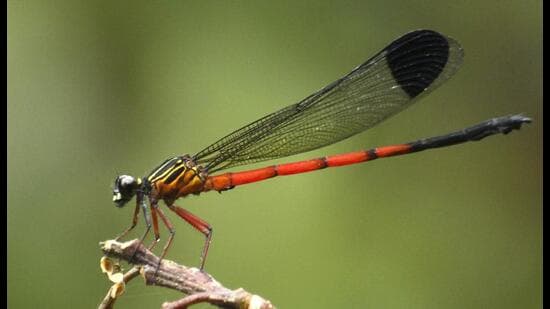
A comprehensive two-year study conducted across 144 sites in the Western Ghats has uncovered a significant reduction in dragonfly and damselfly species. Researchers from MIT-WPU, in collaboration with the Society for Odonate Studies, documented 143 species between February 2021 and March 2023. This represents a concerning decrease from the approximately 200 species previously recorded in the region.
These insects, known as Odonata, are vital bioindicators for the health of freshwater ecosystems. Their declining numbers suggest ecological degradation, possibly driven by habitat loss from linear infrastructure, hydropower projects, pollution, and land-use changes. Species diversity was found to be higher in the southern Western Ghats compared to the northern regions.
The study, published on April 21, 2026, covered Gujarat, Maharashtra, Goa, Karnataka, and Kerala. Maharashtra reported 100 species, while Kerala documented 83, including a high proportion of endemic species. Some species are classified as vulnerable on the IUCN Red List, emphasizing the urgent need for conservation and ongoing ecological monitoring.
Lead researcher Pankaj Koparde noted that the decline points to significant environmental pressures. The findings establish a crucial baseline for future biodiversity assessments and policy interventions aimed at protecting the unique ecosystems of the Western Ghats.
