Home / Science / Restaurant Oil Transformed into Plastic and Superglue
Restaurant Oil Transformed into Plastic and Superglue
9 Dec, 2025
Summary
- Discarded cooking oil can be recycled into plastic mimicking polyethylene.
- A superglue made from the oil can hold up to 270lbs and tow a car.
- This innovation offers a sustainable alternative to fossil fuel-based plastics.

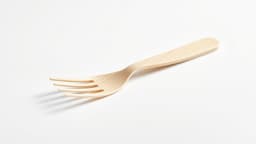
Researchers have pioneered a novel process to convert waste cooking oil into valuable materials, including recyclable plastic and a potent adhesive. This innovation addresses the global plastic crisis by offering a sustainable alternative to fossil fuel-dependent production. The newly created plastic exhibits properties similar to polyethylene, commonly used in plastic bags and packaging, while its production utilizes a renewable, waste-derived resource.
The process involves a series of chemical reactions that transform the fatty acid chains in cooking oil into long polymer chains. The resulting material can be tuned for rigidity or flexibility. Furthermore, a sticky variant of this polymer has been developed, proving strong enough to adhere two steel plates together with a holding capacity of up to 270lbs.
Demonstrating its impressive strength, the adhesive successfully held the steel plates even when used to tow a sedan on an incline. This versatile material is deemed ideal for applications in packaging, automotive components, medical devices, and electronics, aligning with circular economy principles and advancing sustainable innovation in plastics.