Home / Science / India-born scientist's CFC discovery reshaped climate science
India-born scientist's CFC discovery reshaped climate science
29 Jan
Summary
- CFCs were found to trap heat more potently than carbon dioxide.
- His 1975 research on CFCs was initially met with disbelief.
- His work led to the Montreal Protocol banning CFC production.
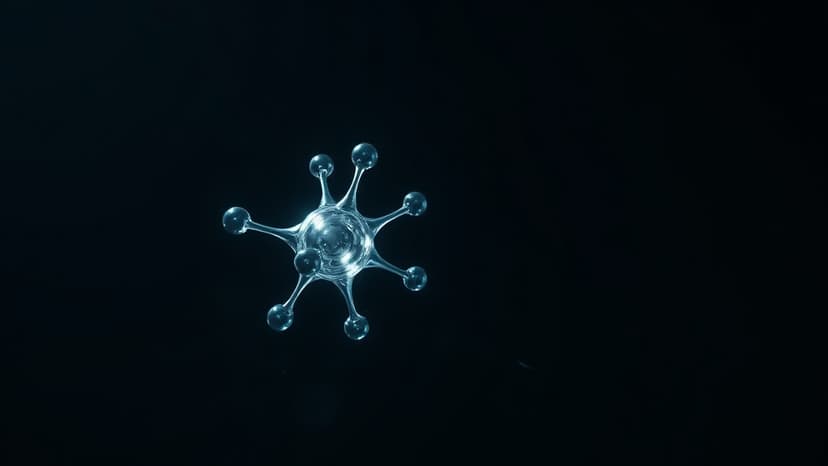
Growing up in India, Veerabhadran Ramanathan's scientific journey led him to discover the significant greenhouse effect of chlorofluorocarbons (CFCs). While working at NASA in the 1970s, Ramanathan conducted clandestine research revealing that CFCs, then common in refrigerants and aerosols, were potent heat-trapping gases, potentially thousands of times more impactful than carbon dioxide. His findings, published in 1975, challenged prevailing scientific thought and were initially met with skepticism.
Ramanathan's persistent research established that greenhouse gases beyond CO2 significantly contribute to global warming. This knowledge was instrumental in the development of the first effective climate mitigation policy. In 1987, the Montreal Protocol eventually banned CFCs, largely due to growing public concern over ozone depletion, preventing substantial additional warming.
His career, marked by interdisciplinary insights, also explored the cooling effect of clouds and the amplification of warming by water vapor. Ramanathan's work on atmospheric brown clouds over the Indian subcontinent revealed complex interactions between air pollution and climate change. He has been recognized with the prestigious Crafoord Prize for expanding humanity's understanding of atmospheric composition and its impact on climate and air quality.