Home / Science / Uranus Radiation Mystery Solved by Voyager 2 Data
Uranus Radiation Mystery Solved by Voyager 2 Data
5 Dec, 2025
Summary
- Voyager 2 data from 1986 is re-analyzed for Uranus's radiation levels.
- Unusual radiation spikes likely caused by solar wind storms, not planet.
- New study suggests Uranus data misinterpreted due to solar activity.
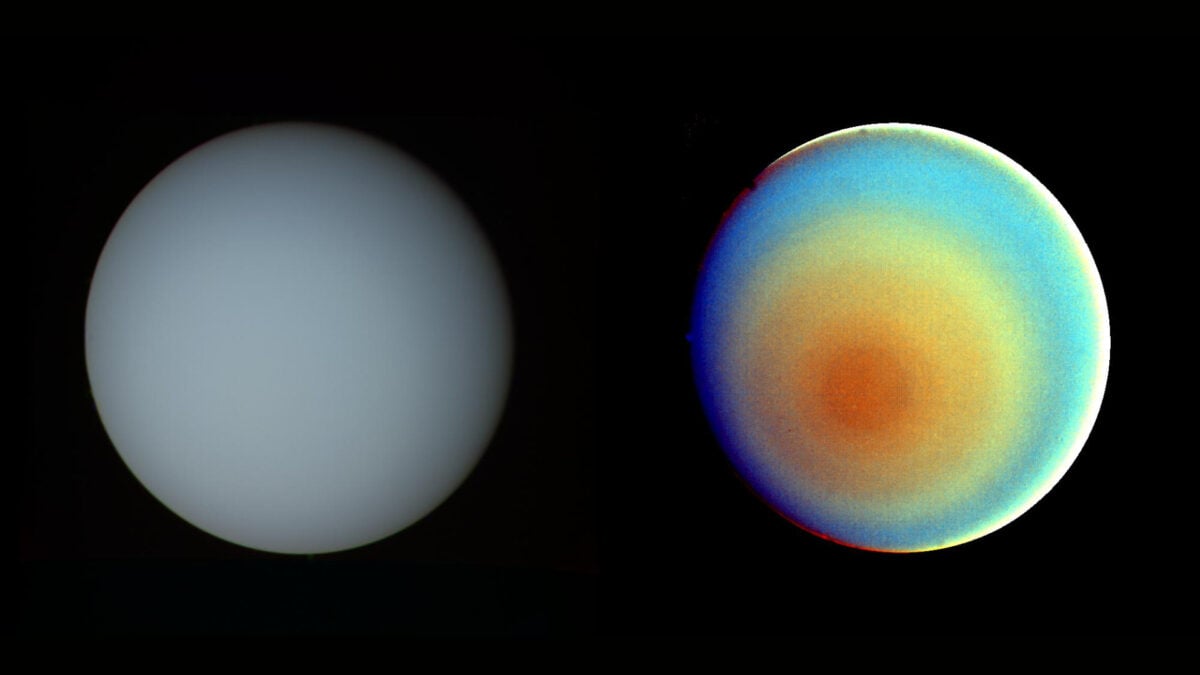
Decades after Voyager 2's historic 1986 flyby, scientists are revisiting its data on Uranus, uncovering potential misinterpretations regarding the planet's radiation levels. A recent study suggests that the "off the charts" electron radiation belts observed were likely not indicative of Uranus's natural state, but rather the result of a solar wind storm.
Astronomers now believe Voyager 2 happened to visit Uranus on a day of unusual solar activity, which warped the planet's magnetosphere. This led to a skewed perception of Uranus's typical radiation environment. The findings draw parallels with Earth's current experiences with solar storms impacting its own radiation belts and magnetic fields.
The re-analysis, inspired by previous work, utilized modern understanding and comparative data from a 2019 Earth event. While this new perspective clarifies the 39-year-old mystery, it also underscores the limitations of relying on a single spacecraft encounter and highlights the pressing need for future direct observations of Uranus.