Home / Science / UK's Hottest Summer Threatens Rare Species Survival
UK's Hottest Summer Threatens Rare Species Survival
21 Aug
Summary
- Rare UK species face extinction due to extreme heatwaves.
- Conservation guidance needs urgent updates for climate change.
- Wetlands and beavers show success in mitigating drought impacts.
As the UK concludes its hottest summer on record, conservationists are racing to prevent the extinction of six endangered species. These include the large blue butterfly, Duke of Burgundy butterfly, marsh fritillary butterfly, wart-biter cricket, juniper, and burnt-tip orchid, all inhabitants of rare lowland chalk grassland.
Urgent revisions to conservation guidance are underway in Gloucestershire, Somerset, and Wiltshire, funded by Natural England and the Crown Estate. The Royal Entomological Society highlights that current habitat management advice, some over 20 years old, is no longer sufficient given the accelerated rate of climate change and successive heatwaves.
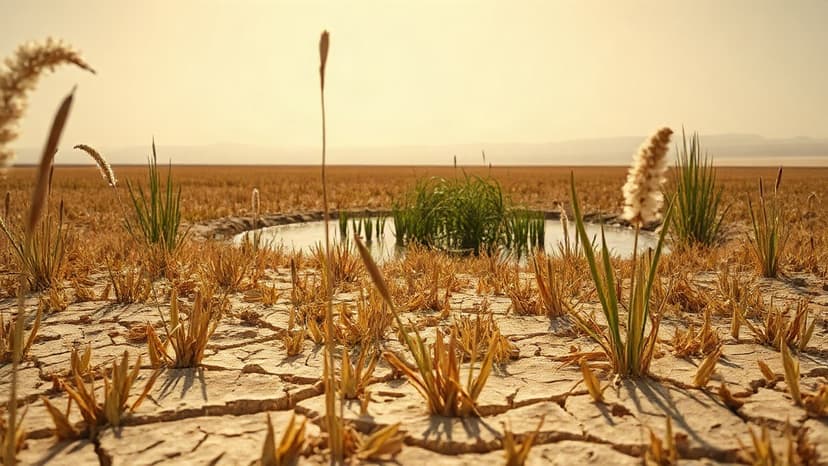
This year saw 35C (95F) reached in three separate months and the driest July in England and Wales in 190 years, causing widespread desiccation and soil erosion. In contrast, the National Trust's Holnicote Estate in Somerset demonstrates the effectiveness of nature-based solutions. The reintroduction of beavers to create wetlands has helped the area remain lush and combat drought.
These efforts are part of the UK government's £60m Species Recovery Programme, aiming to restore England's wildlife through initiatives like the Wild Again project. The program supports over 130 projects focused on adapting to and mitigating climate change impacts on vulnerable ecosystems and species.


