Home / Science / New Island Rises From Icelandic Waters!
New Island Rises From Icelandic Waters!
9 Nov
Summary
- Volcanic island Surtsey formed off Iceland's coast over 3.5 years.
- Surtsey serves as a protected natural laboratory for arriving life.
- Erosion is shrinking the island, but life continues to thrive.
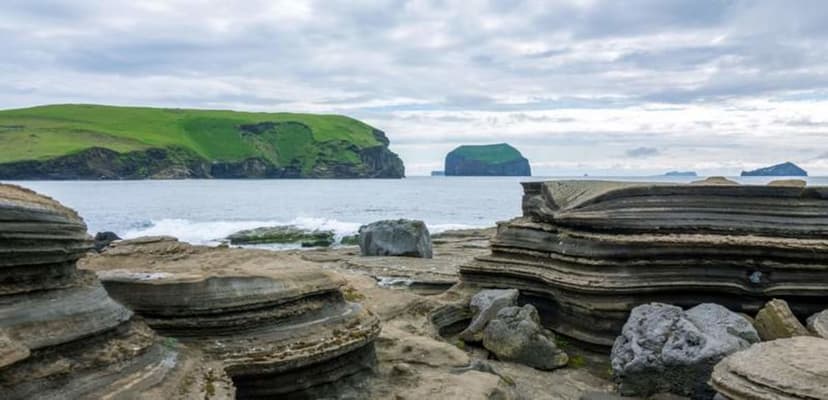
Beginning November 14, 1963, fishermen off Iceland's south coast witnessed a marine eruption that, over 3.5 years, created the volcanic island of Surtsey. This new landmass, initially covering about 1 square mile and rising 558 feet, has since been significantly shaped by erosion, reducing its area and height. Scientists have utilized Surtsey as a protected natural laboratory since its formation in 1967, closely observing the arrival and development of life.
Protected as a nature reserve since 1965, visits to Surtsey are highly restricted to prevent biological contamination, with landing requiring special permission. Despite these measures and ongoing erosion, life has steadily colonized the island. Seeds arrived via ocean currents, leading to the appearance of various plant species, molds, bacteria, and fungi. Bird and invertebrate species have also been recorded, with gull colonies playing a significant role in enhancing vegetation growth by introducing seeds and improving soil conditions.
In 2008, Surtsey was recognized by UNESCO as a World Heritage Site. Current monitoring indicates a "Good" conservation outlook, though coastal erosion is expected to continue reducing the island's size. Researchers from various Icelandic institutions collaborate to study this unique environment, which remains free of invasive alien species, unlike nearby islands.


