Home / Science / Supermoon to Outshine Meteor Shower
Supermoon to Outshine Meteor Shower
1 Jan
Summary
- Quadrantid meteor shower peaks, but fewer than 10 meteors per hour expected.
- Supermoon's bright light will significantly dim the visibility of the meteors.
- The next major meteor shower, the Lyrids, is scheduled for April.
This January, the night sky will feature a rare alignment of the year's first supermoon and the Quadrantid meteor shower. The meteor shower is expected to peak from Friday night into Saturday morning. Unfortunately, the supermoon, which occurs when the moon is closest to Earth in its orbit, will be high in the sky, casting significant light.
This lunar brightness is predicted to drastically reduce the visibility of the Quadrantids. Typically, observers can see around 25 meteors per hour in dark skies during the shower's peak. However, due to the supermoon's glare, fewer than 10 meteors per hour are anticipated. Experts suggest viewing the meteors in the early evening before the moon rises fully or during the early dawn hours on Sunday for a better chance of spotting them.
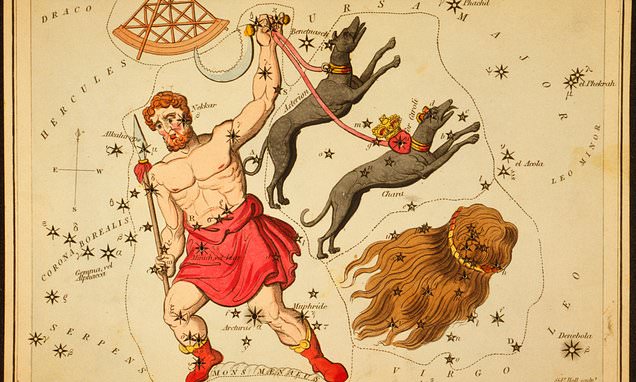
The Quadrantids are named after a defunct constellation and originate from debris shed by asteroid 2003 EH1. While this celestial event might be somewhat muted, the next major meteor shower, known as the Lyrids, is already scheduled for April. Supermoons occur multiple times a year, and this upcoming event concludes a four-month series that began in October, with the next supermoon not expected until late 2026.