Home / Science / History Submerged: Rising Seas Erase Ancient Coastal Civilizations
History Submerged: Rising Seas Erase Ancient Coastal Civilizations
14 Nov
Summary
- Rising sea levels and coastal erosion are destroying ancient historical sites.
- The concept of 'Aquaterra' suggests vast submerged landmasses were once inhabited.
- Submerged sites found in the Americas contain artifacts dating back 9,000 years.
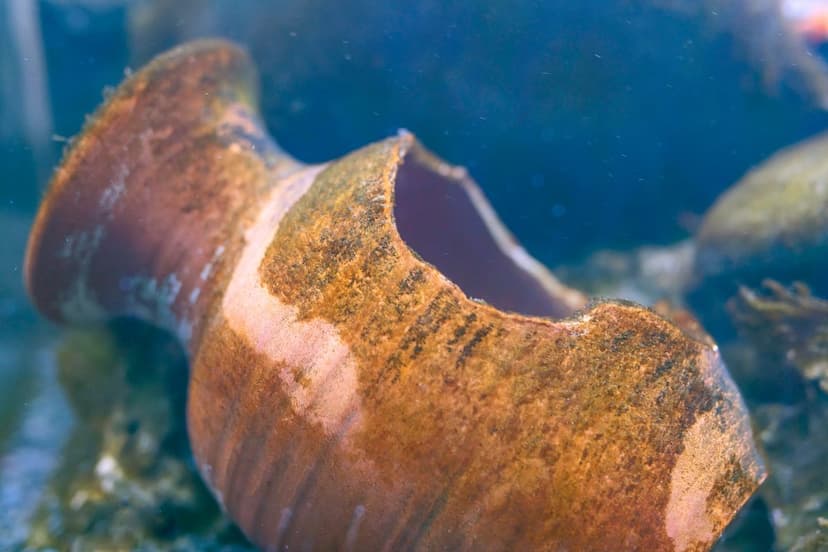
Coastal erosion and rising sea levels are actively erasing crucial historical sites, including remnants of early colonies. Dr. Eric Klingelhofer noted that at Fort Raleigh, coastal erosion has already claimed excavated areas, with land loss occurring at an alarming rate.
The scientific community is increasingly recognizing the concept of 'Aquaterra,' a vast submerged landmass that may have been home to early human civilizations for tens of thousands of years. This perspective acknowledges that shorelines have changed dramatically over millennia, particularly during ice ages when sea levels were significantly lower.
Recent archaeological findings support the existence of these submerged histories. A 2021 study documented seven marine sites in the Americas containing evidence of precontact life, with artifacts like charred wood and bone fragments dating back 9,000 years found in the Gulf of Mexico.
Further research has uncovered submerged Maya salt works and stone tools over 12,000 years old. These discoveries emphasize the critical need to shift archaeological focus to underwater exploration to fully understand human history before these sites disappear beneath the waves.


