Home / Science / Tiny Sand Grains Reveal Stonehenge Secret
Tiny Sand Grains Reveal Stonehenge Secret
22 Jan
Summary
- Mineral fingerprinting proves glaciers didn't transport Stonehenge stones.
- Sand analysis shows no glacial material reached Salisbury Plain.
- Neolithic people likely moved stones using sledges and rivers.
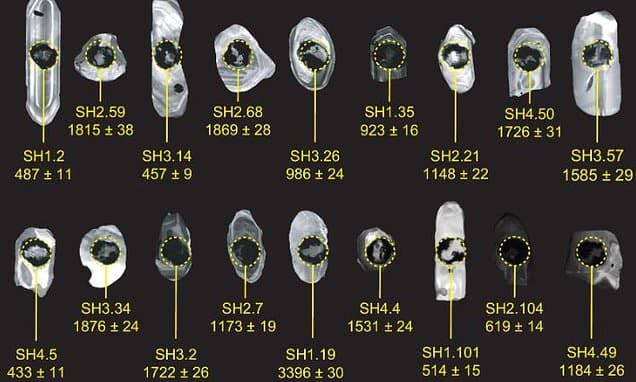
The 5,000-year-old mystery of how Stonehenge's massive stones were transported has potentially been solved, thanks to tiny grains of sand. Researchers from Curtin University utilized cutting-edge mineral fingerprinting techniques to analyze sand found on Salisbury Plain.
Their findings reveal that no glacial material reached the area during the last ice age (20,000 to 26,000 years ago). This directly contradicts the glacial transport theory, which proposed that ice sheets moved the megaliths. The geological 'fingerprint' of the sand did not match rocks from the bluestones' origin in Wales or the altar stone's origin in Scotland.
This evidence strongly suggests that the stones were moved by humans. Lead author Dr. Anthony Clarke stated that this aligns with views of Neolithic people using methods like sledges, rollers, and rivers. The bluestones, weighing two to five tonnes, originated from the Preseli Hills in Wales, while the altar stone came from northern Scotland, requiring immense effort to transport hundreds of miles.
The monument itself was built in four stages, with the final stage completed around 3,500 years ago. The current understanding is that Neolithic people engineered sophisticated methods for moving these heavy stones, potentially involving coastal transport by boat followed by overland hauling.