Home / Science / Space Crowded: Starlink Near Miss Sparks Collision Fears
Space Crowded: Starlink Near Miss Sparks Collision Fears
16 Dec
Summary
- A Starlink satellite narrowly avoided a collision with a Chinese rocket's payload.
- Space is becoming dangerously crowded, increasing the risk of satellite accidents.
- Experts warn of Kessler syndrome if satellite deployment continues unchecked.
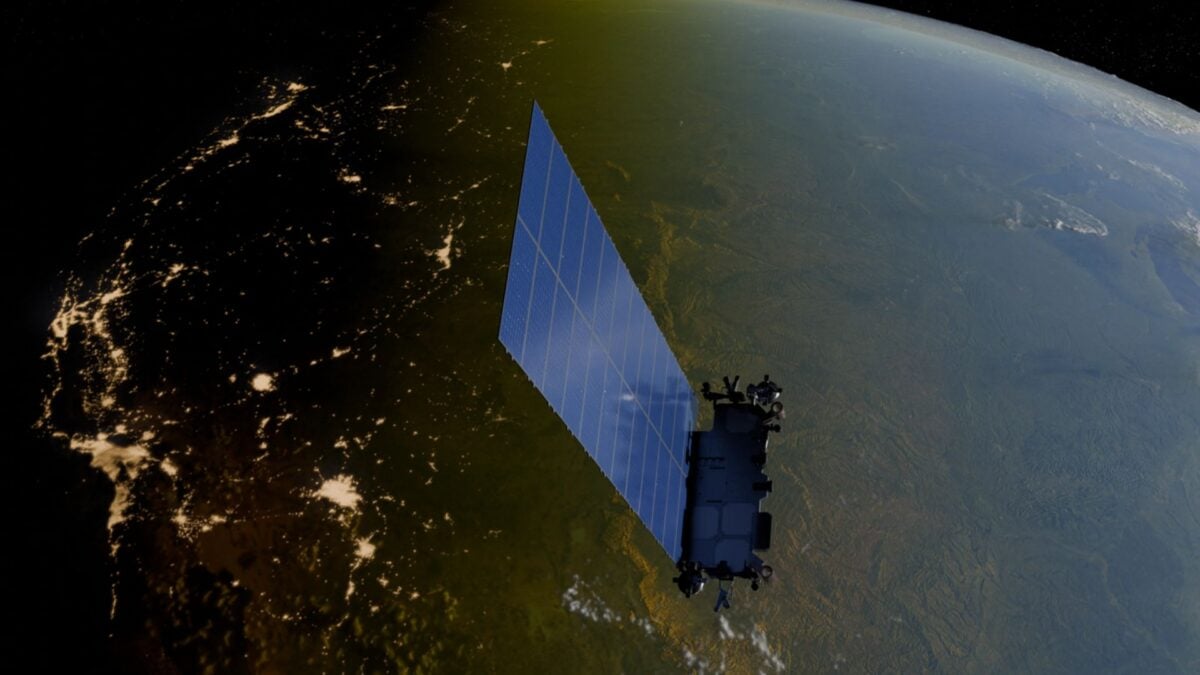
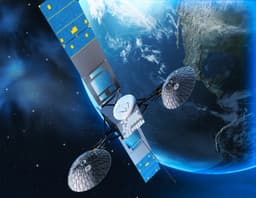
Low-Earth orbit is experiencing unprecedented congestion, with a recent near-miss between a Starlink satellite and a payload from a Chinese Kinetica 1 rocket serving as a stark warning. The incident, which occurred approximately 350 miles above Earth, emphasized the critical need for enhanced communication and coordination among satellite operators. Experts highlight that a lack of shared satellite trajectory data significantly elevates the risk of dangerous close encounters.
As more satellites are launched annually, the density in LEO is escalating rapidly. Starlink alone operates over 9,300 satellites, with each maneuvering to avoid potential collisions hundreds of times daily. Projections indicate continued growth, with companies like Amazon and Viasat also expanding their satellite constellations. This surge in orbital traffic raises serious alarms about the potential for Kessler syndrome, a scenario where collisions trigger a cascade of debris, rendering LEO unusable.