Home / Science / Microgravity's Toll: How Space Changes Your Body
Microgravity's Toll: How Space Changes Your Body
20 Jul
Summary
- Muscles and bones lose density and strength in microgravity.
- Astronauts can experience vision deterioration and skin changes.
- Daily exercise and diet help astronauts counter space's effects.
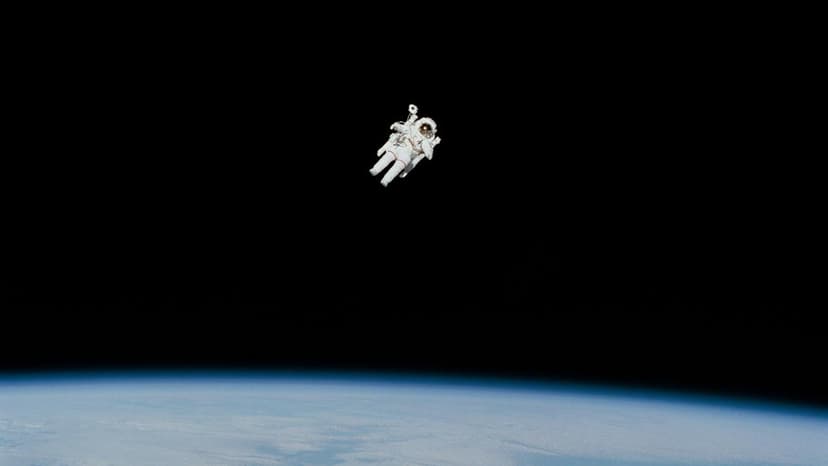
Living in microgravity triggers profound physiological changes in astronauts. Without Earth's gravitational pull, muscles and bone mass diminish, leading to atrophy and a greater risk of fractures. This effect is compounded on longer missions, with bone density potentially decreasing by 1-2% per month.
Vision can also be impacted, with around 70% of astronauts reporting deterioration due to fluid accumulation around the optic nerve. Skin can become thinner and more sensitive, and healing processes may slow. The immune system may weaken, increasing susceptibility to infections.
Astronauts mitigate these effects through 2.5 hours of daily exercise using specialized equipment. They also maintain balanced diets and undergo regular health monitoring. These efforts help counteract the significant bodily alterations experienced during prolonged space travel, though rehabilitation is often necessary upon return to Earth.


