feedzop-word-mark-logo
searchLogin
Feedzop
homeFor YouUnited StatesUnited States
You
bookmarksYour BookmarkshashtagYour Topics
Trending
Terms of UsePrivacy PolicyAboutJobsPartner With Us

© 2026 Advergame Technologies Pvt. Ltd. ("ATPL"). Gamezop ® & Quizzop ® are registered trademarks of ATPL.

Gamezop is a plug-and-play gaming platform that any app or website can integrate to bring casual gaming for its users. Gamezop also operates Quizzop, a quizzing platform, that digital products can add as a trivia section.

Over 5,000 products from more than 70 countries have integrated Gamezop and Quizzop. These include Amazon, Samsung Internet, Snap, Tata Play, AccuWeather, Paytm, Gulf News, and Branch.

Games and trivia increase user engagement significantly within all kinds of apps and websites, besides opening a new stream of advertising revenue. Gamezop and Quizzop take 30 minutes to integrate and can be used for free: both by the products integrating them and end users

Increase ad revenue and engagement on your app / website with games, quizzes, astrology, and cricket content. Visit: business.gamezop.com

Property Code: 5571

Home / Science / Space-Grown Superbugs: Microgravity Fights Drug Resistance

Space-Grown Superbugs: Microgravity Fights Drug Resistance

15 Jan

•

Summary

  • Microgravity on ISS alters bacteria and virus evolution.
  • Space-evolved phages show enhanced effectiveness against superbugs.
  • New insights from space could combat rising antibiotic resistance.
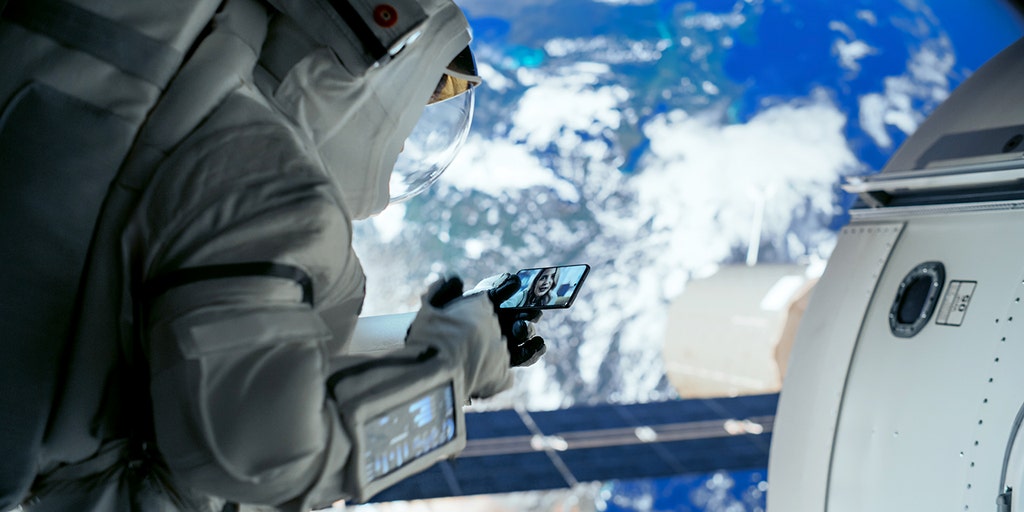
Space-Grown Superbugs: Microgravity Fights Drug Resistance

New research, including experiments conducted aboard the International Space Station (ISS), suggests that microgravity conditions may offer novel ways to combat drug-resistant superbugs. Scientists observed that bacteria and viruses evolve differently in near-weightless environments compared to Earth. This distinct evolutionary path, influenced by microgravity, can lead to unexpected adaptations.

Specifically, viruses that infect bacteria, known as phages, showed altered infection dynamics when exposed to microgravity. Phages evolved in space demonstrated a surprising increase in their effectiveness against common bacterial pathogens upon return to Earth. This suggests that space exploration can uncover mutation combinations beneficial for tackling real-world health challenges.

The study highlights the potential of using space as a unique environment for discovery in microbiology. Understanding these microgravity-induced adaptations could lead to breakthroughs in fighting antibiotic-resistant infections, a growing global health concern. These findings are crucial for both future space missions and developing new therapies on Earth.

trending

Urgent Apple iOS 26.2 update

trending

Lakewood shooting murder-suicide

trending

Artemis II moon mission crew

trending

Walmart CEO McLay to depart

trending

Denver weather: fire risk warning

trending

Red Bull Ford livery reveal

trending

Kianna Underwood hit and run

trending

Orlando coldest air in years

trending

SpaceX Falcon 9 launch Sunday

Disclaimer: This story has been auto-aggregated and auto-summarised by a computer program. This story has not been edited or created by the Feedzop team.
Microgravity alters the evolutionary paths of bacteria and viruses, leading to adaptations that can enhance their effectiveness against drug-resistant pathogens.
Phages are viruses that infect bacteria. In space, they evolved differently, developing mutations that improved their ability to infect and combat E. coli.
Yes, research indicates that phages shaped by microgravity can be more effective against terrestrial bacterial pathogens, offering new avenues for phage therapy.

Read more news on

Scienceside-arrow

You may also like

Astronaut Medevac: First Ever From Space Station

15 Jan • 33 reads

article image

Tooth Glue and IVs: Space Medicine's Reality

15 Jan • 12 reads

article image

ISS Crew Returns Early Due to Medical Emergency

12 Jan • 54 reads

article image

Astronaut's Health Crisis Forces ISS Evacuation

9 Jan • 46 reads

article image

New Space Race: Moon Missions Spark Global Rivalry

2 Dec, 2025 • 242 reads

article image