

Home / Science / Desert Solar Farms Could Spark Their Own Rain
Desert Solar Farms Could Spark Their Own Rain
16 Apr
Summary
- Large solar farms can create updrafts, potentially causing rain.
- A 20 sq km solar field could generate nearly 600,000 cubic meters of rain.
- Moist winds from the Persian Gulf are crucial for this rainmaking effect.
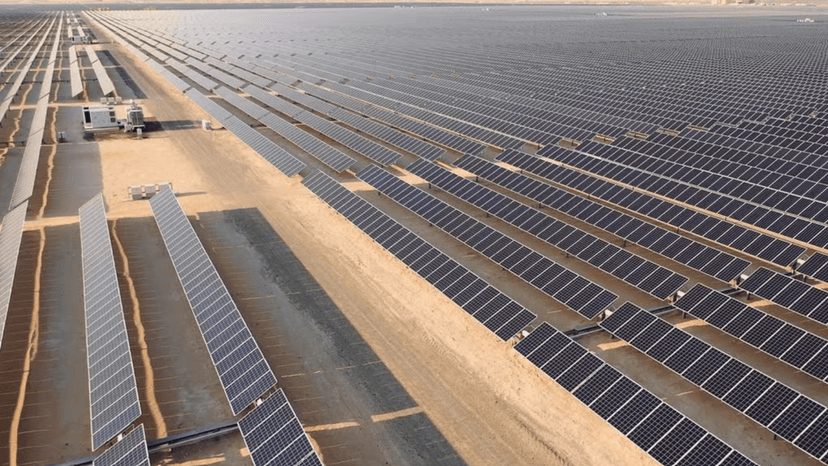
New research suggests massive solar farms in arid regions, like the United Arab Emirates, could potentially generate their own rainfall. A study by climate scientist Oliver Branch modeled how dark solar panels, absorbing up to 95% of sunlight, create a heat difference compared to the desert sand.
This temperature contrast drives updrafts that can lead to cloud formation and precipitation. The model indicates that solar farms exceeding 15 square kilometers are needed for a significant effect. Moist, high-altitude winds from the Persian Gulf are identified as a key moisture source.
A 20 square kilometer solar field, under ideal conditions, could increase rainfall by nearly 600,000 cubic meters. This amount, if occurring ten times in a summer, could supply water for over 30,000 people annually.
Challenges include the need for darker panels than some manufacturers currently produce and the requirement for adequate atmospheric moisture. Researchers are optimistic about real-world testing, noting the growing size of solar farms globally.
This phenomenon could offer an unexpected benefit for renewable energy expansion in dry regions. Similar models suggest potential applications in other arid areas like Namibia and Mexico's Baja Peninsula.
