Home / Science / Snails Sleep for Years: Nature's Ultimate Patience
Snails Sleep for Years: Nature's Ultimate Patience
26 Mar
Summary
- Snails can enter a state of estivation, a deep sleep to survive harsh conditions.
- Some snail species can survive without food or water for several years.
- Estivation involves sealing the shell with mucus to retain moisture.
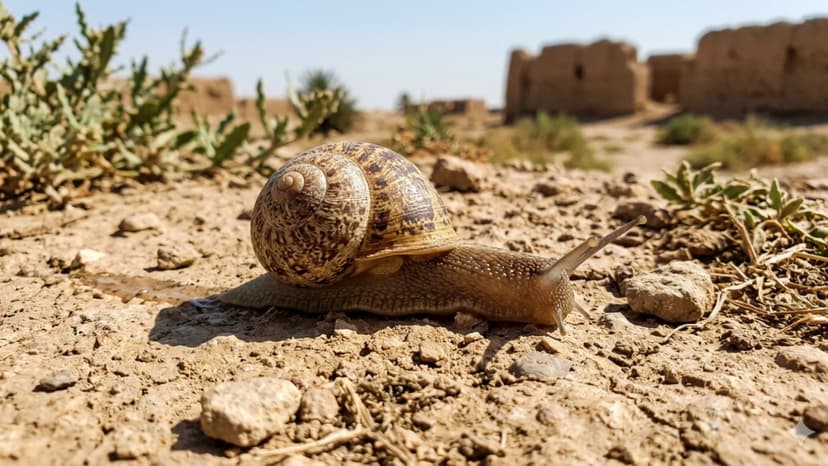
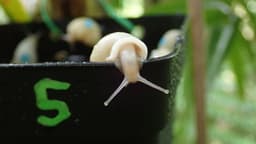
Certain snail species exhibit an astonishing survival mechanism, entering a state of prolonged dormancy known as estivation. This deep sleep is triggered by harsh environmental conditions such as extreme heat and dryness, particularly in desert regions.
During estivation, snails retreat into their shells, sealing the opening with a layer of dried mucus. This protective barrier conserves moisture, while their bodily functions, including heart rate and metabolism, slow to minimal levels. This allows them to survive for extended periods, even years, without sustenance.
Species like the Desert snail (Sphincterochila boissieri) and the garden snail (Helix aspersa) are known for this ability. The former has been documented to revive after four years of dormancy, surviving extreme heat and drought. This survival strategy highlights the power of patience and adaptation in the natural world.