
Home / Science / Mice Sing Like Humans, Brain Wiring Key
Mice Sing Like Humans, Brain Wiring Key
6 May
Summary
- Alston's singing mice use vocalizations similar to human conversation.
- A subtle expansion of neural pathways enabled complex mouse songs.
- This finding offers insights into the evolution of human language.
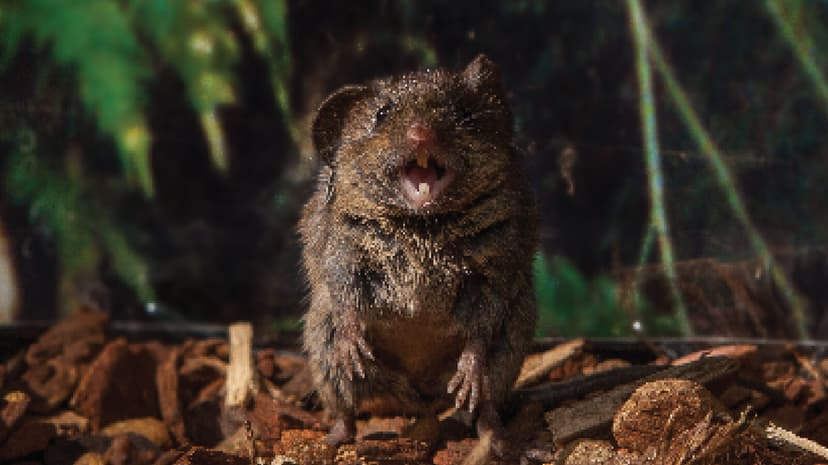
Scientists have uncovered that the intricate vocalizations of Alston's singing mice bear a striking resemblance to human conversation. These small rodents, found in Central and South American cloud forests, produce songs using both sonic and ultrasonic sounds, notably engaging in polite turn-taking.
Research published in the journal Nature revealed that a simple expansion of existing neural pathways, rather than specialized brain circuitry, is responsible for the mice's broad vocal repertoire. This contrasts with earlier beliefs that complex behaviors required dedicated neural hardware.
By employing a technique called MAPseq, researchers mapped neural connections in Alston's singing mice and their non-singing cousins. They identified approximately three times more neurons connecting the motor cortex to specific downstream brain regions in the singing mice.
This subtle change in brain wiring challenges current understanding of how novel behaviors evolve. It raises significant questions about the neurological basis of human language evolution and may provide a roadmap for studying other complex animal behaviors. The findings support the idea that differences in cognition between humans and other animals are often a matter of degree, not kind.
