Home / Science / Short Videos Rewiring Your Brain?
Short Videos Rewiring Your Brain?
4 Dec, 2025
Summary
- Heavy short-form video use linked to attention and self-control issues.
- Research suggests possible connections to depression and anxiety symptoms.
- Debate continues on long-term cognitive effects and reversibility.
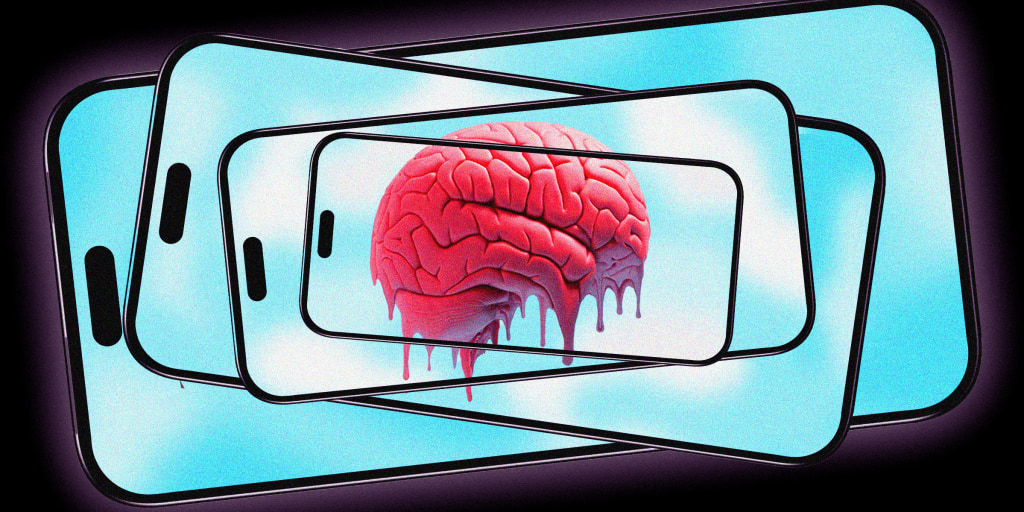
Scientific inquiry is intensifying into how the pervasive use of short-form video content, prevalent across major online platforms, might be reshaping the human brain. Early studies indicate a correlation between extensive viewing of these algorithm-driven clips and difficulties in maintaining focus and self-control. This growing body of research has even led to the coining of internet slang terms like 'brain rot.'
Recent reviews of numerous studies, involving tens of thousands of participants, have highlighted associations between heavy engagement with short-form videos and poorer cognitive functions, particularly attention spans and impulse control. Furthermore, these analyses have identified links to increased symptoms of depression, anxiety, stress, and feelings of loneliness among frequent users.
While the findings raise alarm, some researchers urge caution, noting that definitive conclusions about long-term impacts, causality, and reversibility are still years away. However, the consistency of findings across international studies from various institutions, including those in the U.S., U.K., Jordan, Saudi Arabia, and Egypt, suggests a need for continued investigation into potential cognitive fatigue, memory disruption, and the nuanced effects on different age groups.