feedzop-word-mark-logo
searchLogin
Feedzop
homeFor YouUnited StatesUnited States
You
bookmarksYour BookmarkshashtagYour Topics
Trending
Terms of UsePrivacy PolicyAboutJobsPartner With Us

© 2026 Advergame Technologies Pvt. Ltd. ("ATPL"). Gamezop ® & Quizzop ® are registered trademarks of ATPL.

Gamezop is a plug-and-play gaming platform that any app or website can integrate to bring casual gaming for its users. Gamezop also operates Quizzop, a quizzing platform, that digital products can add as a trivia section.

Over 5,000 products from more than 70 countries have integrated Gamezop and Quizzop. These include Amazon, Samsung Internet, Snap, Tata Play, AccuWeather, Paytm, Gulf News, and Branch.

Games and trivia increase user engagement significantly within all kinds of apps and websites, besides opening a new stream of advertising revenue. Gamezop and Quizzop take 30 minutes to integrate and can be used for free: both by the products integrating them and end users

Increase ad revenue and engagement on your app / website with games, quizzes, astrology, and cricket content. Visit: business.gamezop.com

Property Code: 5571

Home / Science / Genes Link Minds: Shared Roots for Mental Health

Genes Link Minds: Shared Roots for Mental Health

4 Jan

•

Summary

  • Study analyzes genetic data from over one million individuals.
  • Five broad genetic factors explain shared mental health risks.
  • Early brain development genes are critical for shared risks.
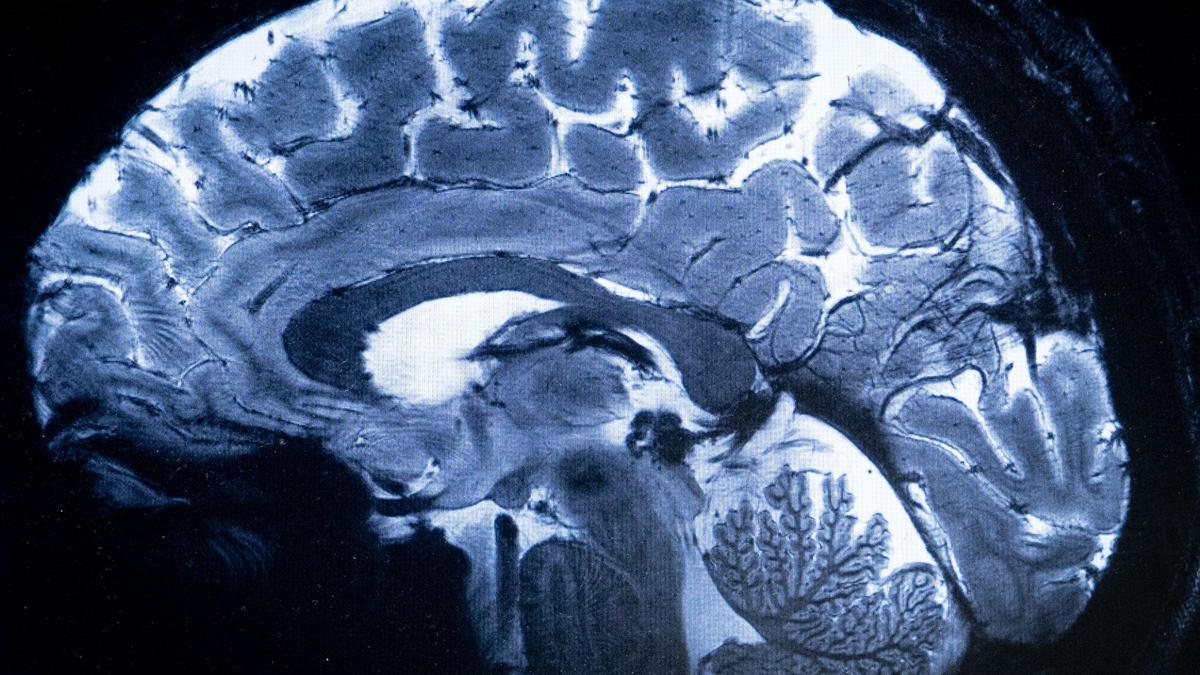
Genes Link Minds: Shared Roots for Mental Health

A comprehensive genetic analysis involving over one million individuals has uncovered significant shared genetic underpinnings across numerous mental health conditions. The research identified five major genetic factors that explain a substantial portion of inherited risk, suggesting that conditions like schizophrenia, bipolar disorder, ADHD, and depression may not have entirely separate biological origins.

These common genetic influences are particularly active during early brain development, a critical period for neuronal migration and synapse formation. This highlights how disruptions in these foundational processes can contribute to a spectrum of mental health challenges, influencing emotional regulation and cognitive functions throughout life.

The study's findings support a more dimensional view of mental illness, explaining the high rates of comorbidity observed clinically. While current diagnoses remain vital for care, the research points towards future therapeutic approaches that target common biological pathways, potentially leading to more integrated and effective treatments across various conditions.

trending

CIA spy Aldrich Ames dies

trending

Uvalde officer faces trial

trending

Preschool data security concerns

trending

Ray Jayawardhana: Caltech president

trending

Amazon AWS self-driving deal

trending

Lions fire John Morton

trending

Commanders part ways with Kingsbury

trending

Italy stocks rose sharply

trending

Filoni to replace Kennedy

Disclaimer: This story has been auto-aggregated and auto-summarised by a computer program. This story has not been edited or created by the Feedzop team.
The study found that many mental health conditions share common genetic risks rather than having distinct biological origins.
Researchers identified five major genetic factors that account for about two-thirds of the shared genetic risk across conditions.
Shared genetic risk means individuals predisposed to one condition may be vulnerable to others in the same genetic group, influenced by environmental factors.

Read more news on

Scienceside-arrow

You may also like

US Mental Health Plummets: Experts See Silver Lining

18 Dec, 2025 • 83 reads

Midlife Blues Signal Future Dementia Risk

16 Dec, 2025 • 113 reads

article image

Shy Bowels: The Public Toilet Terror

12 Dec, 2025 • 122 reads

article image

Social Media Linked to Rising ADHD Diagnoses

8 Dec, 2025 • 140 reads

article image

Depression Doubles Epilepsy Risk

8 Dec, 2025 • 130 reads