Home / Science / Seaweed Plastic: A Green Revolution?
Seaweed Plastic: A Green Revolution?
10 Feb
Summary
- Seaweed is transformed into compostable material that mimics plastic.
- Adding sugar was the key breakthrough to plasticize the seaweed.
- The material can be home composted, reducing environmental impact.
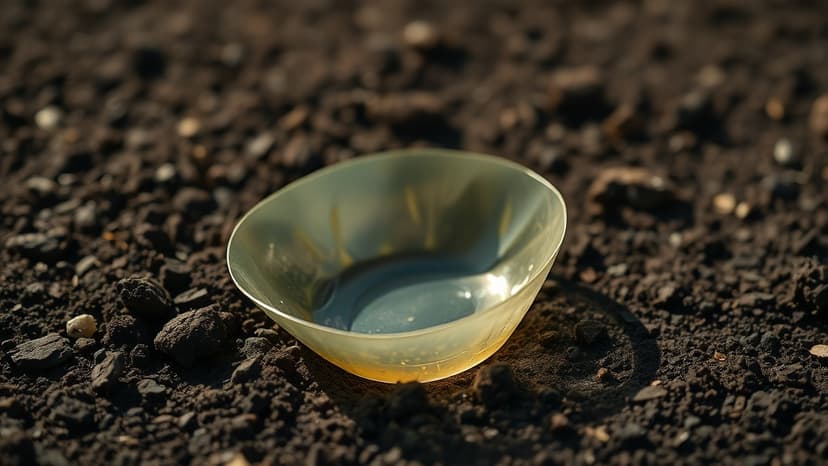
A groundbreaking material made from seaweed is emerging as a potential solution to the global plastic waste crisis. Inspired by the environmental toll of single-use plastics in healthcare settings, the innovation aims to create biodegradable alternatives from natural sources.
Researchers discovered that by adding sugar, they could successfully 'plasticize' seaweed, overcoming the challenge of it burning rather than melting when heated. This process transforms seaweed into pellets usable in standard manufacturing machines.
The resulting material is fully compostable, capable of breaking down in home compost bins, landfills, or through incineration without releasing locked-up carbon from fossil fuels. It may even enrich soil as it decomposes, similar to natural fertilizers.