Home / Science / Sea Level Rise Threatens 45% of Vertebrate Species
Sea Level Rise Threatens 45% of Vertebrate Species
13 Oct
Summary
- Up to 45% of terrestrial vertebrate species may lose habitats by 2100.
- Most potential refugia lie outside current protected areas.
- Sea-level rise risks are not fully integrated into conservation assessments.
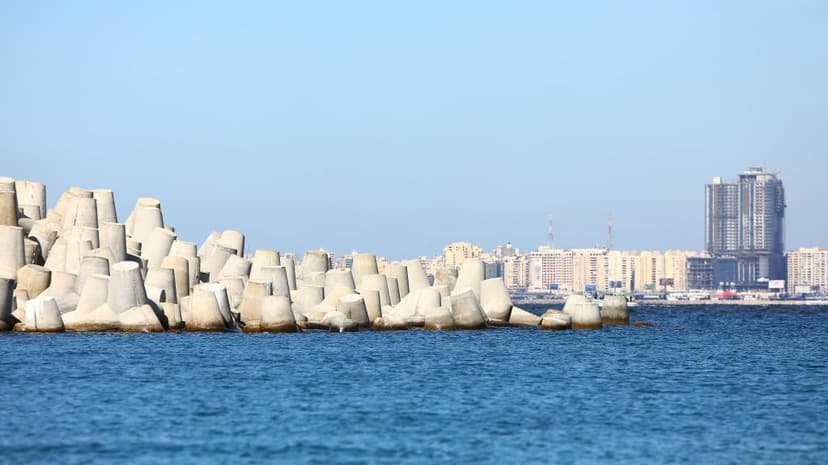
Future sea-level rise poses a significant threat to global biodiversity, with a recent study indicating that up to 45 percent of surveyed terrestrial vertebrate species could face habitat inundation by the end of the century. Researchers from Sun Yat-sen University, in collaboration with international scientists, developed a framework to assess these impacts.
The study revealed that between 14,325 and 15,324 species might have parts of their habitats flooded by 2100. Worryingly, over 96 percent of the identified potential refugia for these species are located outside of current protected areas. This underscores critical deficiencies in existing conservation networks and highlights the need for expanded strategies.
While habitat inundation is a serious concern, the study clarifies that it does not automatically equate to extinction risk for all species, as vulnerability varies. However, the research emphasizes that current conservation assessments do not fully integrate the biodiversity risks associated with rising sea levels. For instance, only 5.9 percent of species facing inundation were listed as having climate change threats on the IUCN Red List as of the study's findings.
The impacts of rising seas are already being observed globally. Examples include the 2019 extinction of the Bramble Cay Melomys in Australia, attributed in part to habitat loss from sea-level rise, and increasing flooding of oystercatcher breeding sites on the Dutch Wadden Islands. Saltmarsh sparrow nests along North America's Atlantic coast also face growing risks.
The research team utilized multiple climate scenarios to model species exposure for 2050 and 2100. They found marked differences in vulnerability among animal groups, with birds and mammals having a higher proportion of species exposed. Reptiles, on average, experienced twice the proportion of habitat inundation compared to birds and mammals. Under high-emission scenarios, the number of species facing over 10 percent habitat inundation is projected to increase substantially by 2100.
Addressing these risks requires proactive conservation measures and international cooperation. Many developing nations with crucial refugia lack the necessary funding and technical capacity. Therefore, closer collaboration, including financial aid, technology exchange, and capacity-building support, is vital to safeguard global biodiversity against the unavoidable challenge of sea-level rise. The World Meteorological Organization reported that global mean sea level rose by an average of approximately 4.7 millimeters per year between 2015 and 2024.


