Home / Science / Scratching: Your Itch's Worst Enemy, Bacteria's Friend
Scratching: Your Itch's Worst Enemy, Bacteria's Friend
4 Jul
Summary
- Scratching activates mast cells, releasing histamine and prolonging itch.
- Preventing scratching or lacking itch neurons reduces inflammation.
- Scratching can reduce harmful bacteria like Staphylococcus aureus.
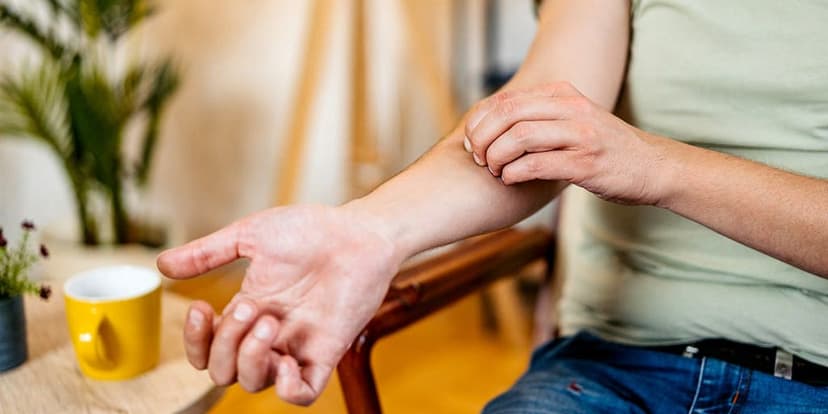
Scratching an itch may offer temporary relief but ultimately intensifies the sensation and inflammation, according to University of Pittsburgh researchers. Their investigation revealed that scratching activates mast cells, part of the body's immune system, causing them to release histamine and other chemicals that perpetuate the itch. This leads to a prolonged itch-scratch cycle, exacerbating skin conditions.
Interestingly, the study also uncovered a potential benefit of scratching: it can reduce the presence of bacteria such as Staphylococcus aureus, which is commonly associated with skin infections. This suggests that scratching might have evolved as a defense mechanism against pathogens. However, researchers emphasize that for chronic itching, the detrimental effects of scratching likely overshadow this protective advantage.


