Home / Science / Roman Silver Hoard: Life Savings Found in German Field
Roman Silver Hoard: Life Savings Found in German Field
11 Oct
Summary
- 934 ancient Roman silver coins were discovered by a metal detectorist.
- The hoard, weighing 6.8 pounds, dates back to Emperor Hadrian's reign.
- The treasure is estimated to be three years of a soldier's salary.
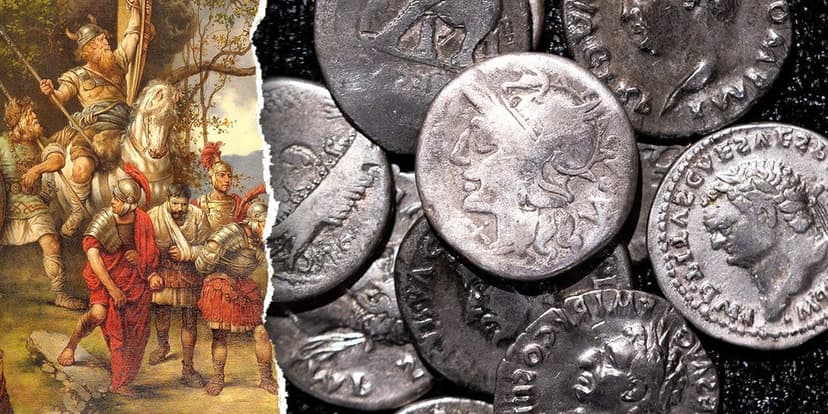
A metal detectorist's search in a German field led to the discovery of 934 ancient Roman silver coins. This significant hoard, unearthed near Wesseling, south of Cologne, dates from the reign of Emperor Hadrian.
Archaeological authorities announced the find, noting it as the largest coin hoard from Hadrian's time found in Germany. The 6.8-pound collection of denarii was likely buried intentionally between 125 and 150 A.D.
Experts suggest the coins could represent the life savings of an individual, possibly a Roman soldier, as the hoard is equivalent to several years of their gross salary. The owner apparently never recovered their buried treasure.
The discovery occurred in a rural area near the historical Rhine frontier, close to Roman settlements. The finder's immediate reporting to authorities exemplifies responsible metal detecting practices, contributing to the preservation of cultural heritage.


