Home / Science / Future of Sight: Can We Reverse Blindness?
Future of Sight: Can We Reverse Blindness?
2 Jul
Summary
- Epigenetic reprogramming shows promise in restoring vision.
- First human trial for vision restoration began in June 2026.
- Eye serves as a testbed for rejuvenation therapies due to accessibility.
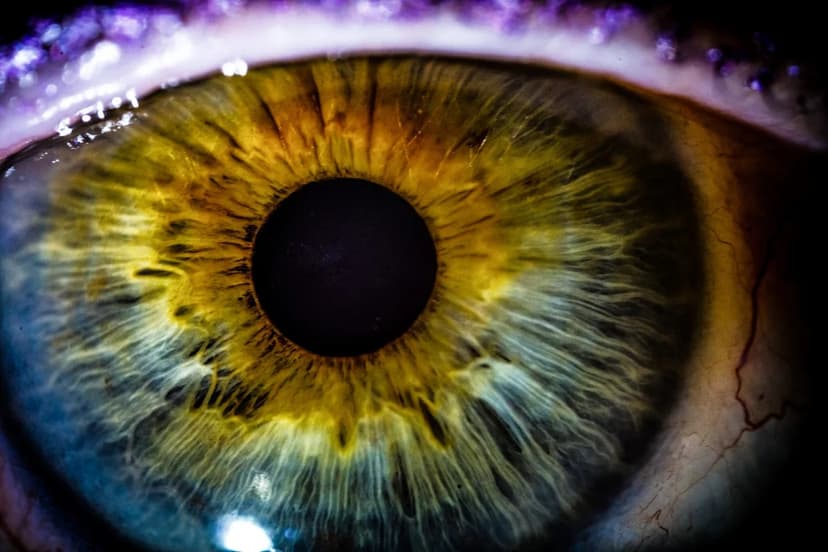
A revolutionary treatment, epigenetic reprogramming, is offering hope for reversing vision loss. This innovative technology seeks to restore youthful function to aging cells, potentially reversing conditions like glaucoma and age-related degeneration. Landmark research in mice demonstrated that genetic factors could regenerate optic nerves and improve visual function.
This research has advanced to human trials, with the first patient receiving an investigational therapy in June 2026 for glaucoma and other optic neuropathies. While larger trials are needed to confirm vision restoration, this marks a pivotal human test for cellular rejuvenation.
The eye is considered an ideal organ for this research. Its accessibility, ease of local treatment delivery, and precise measurement of visual function make it a crucial testing ground. This work could pave the way for therapies addressing millions affected by vision loss.
Experts anticipate that within the next decade, therapies may preserve vision and restore some function, particularly in cases where cells are damaged but still viable. Safety and effective delivery remain key challenges, but success in the eye could extend to neurodegenerative diseases affecting the brain and spinal cord.


