Home / Science / Future of Dentistry: Grow Your Own Teeth by 2030
Future of Dentistry: Grow Your Own Teeth by 2030
14 Nov
Summary
- A new drug can reactivate dormant tooth buds for natural regrowth.
- Human trials began in October 2024, targeting men aged 30-64.
- Commercial availability is anticipated by 2030, pending approval.
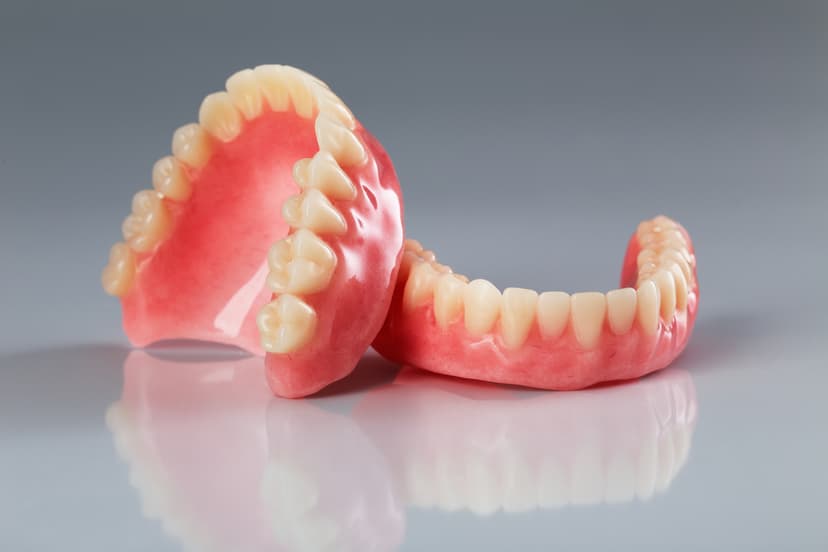
Researchers in Japan are pioneering a groundbreaking drug aimed at regrowing natural human teeth, potentially making traditional dentures obsolete by 2030. The drug, known as TRG-035, developed by a team at Kyoto University Hospital led by Dr. Katsu Takahashi, works by targeting and blocking the USAG-1 protein.
This protein normally suppresses tooth development after adult teeth emerge. By inhibiting USAG-1, the drug encourages dormant tooth buds within the jaw to reactivate and grow. Initial human trials involving 30 adult males aged 30 to 64 began in October 2024.
Previous animal studies on mice and ferrets demonstrated the drug's efficacy in inducing new tooth formation with minimal side effects. These positive results paved the way for human testing. The initial clinical focus is on children with congenital anodontia, a condition affecting about one percent of people born with incomplete teeth.
If safety and efficacy trials are successful, the treatment could eventually benefit anyone who has lost teeth due to decay, injury, or disease. The researchers aim for commercial availability by 2030, contingent on further positive results and regulatory approvals. This innovation holds particular promise for aging populations globally, where tooth loss is prevalent.
While Japan leads in human trials, tooth regeneration research is ongoing worldwide. Despite some viral misinformation about a South Korean patch, the scientific community continues to explore various avenues for tooth regrowth. Challenges remain in precisely controlling the location and final form of regrown teeth.


