
Home / Science / Red Light Therapy: Science Behind the Skin Craze
Red Light Therapy: Science Behind the Skin Craze
7 May
Summary
- Red and near-infrared light penetrate skin deeper to boost cellular energy.
- Mitochondria, the cell's powerhouse, are stimulated by red light exposure.
- Sunscreen and tretinoin offer scientifically backed anti-aging alternatives.
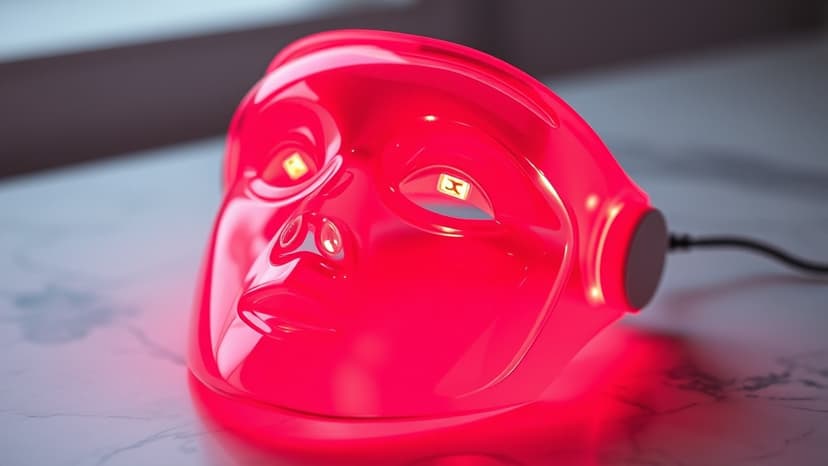
Red light therapy, increasingly popular for anti-aging, utilizes visible red and near-infrared light wavelengths. These longer wavelengths penetrate deeper into the skin, impacting cellular processes.
Scientific understanding suggests red light primarily works by stimulating mitochondria, the powerhouses of cells. By facilitating oxygen use in respiration, it can enhance cellular energy and promote processes like cell growth and wound healing.
While anecdotal evidence abounds, consistent scientific backing for home-use devices like masks is less robust due to limited regulation and industry-held research.
For proven anti-aging benefits, experts recommend daily sunscreen use to combat sun-induced aging, estimated to cause 80% of visible signs in lighter skin tones.
Additionally, prescription treatments like tretinoin, a form of vitamin A, are highly effective, increasing cell turnover and collagen production. Weaker cosmetic versions like retinol also show benefits.
