feedzop-word-mark-logo
searchLogin
Feedzop
homeFor YouUnited StatesUnited States
You
bookmarksYour BookmarkshashtagYour Topics
Trending
Terms of UsePrivacy PolicyAboutJobsPartner With Us

© 2026 Advergame Technologies Pvt. Ltd. ("ATPL"). Gamezop ® & Quizzop ® are registered trademarks of ATPL.

Gamezop is a plug-and-play gaming platform that any app or website can integrate to bring casual gaming for its users. Gamezop also operates Quizzop, a quizzing platform, that digital products can add as a trivia section.

Over 5,000 products from more than 70 countries have integrated Gamezop and Quizzop. These include Amazon, Samsung Internet, Snap, Tata Play, AccuWeather, Paytm, Gulf News, and Branch.

Games and trivia increase user engagement significantly within all kinds of apps and websites, besides opening a new stream of advertising revenue. Gamezop and Quizzop take 30 minutes to integrate and can be used for free: both by the products integrating them and end users

Increase ad revenue and engagement on your app / website with games, quizzes, astrology, and cricket content. Visit: business.gamezop.com

Property Code: 5571

Home / Science / Red Hair's Secret Shield Against Cell Damage

Red Hair's Secret Shield Against Cell Damage

17 Jan

•

Summary

  • Red hair pigment pheomelanin may shield organs from toxic cysteine buildup.
  • Pheomelanin protects against oxidative damage linked to aging and cancer.
  • Zebra finch study showed pheomelanin's protective role against cysteine toxicity.
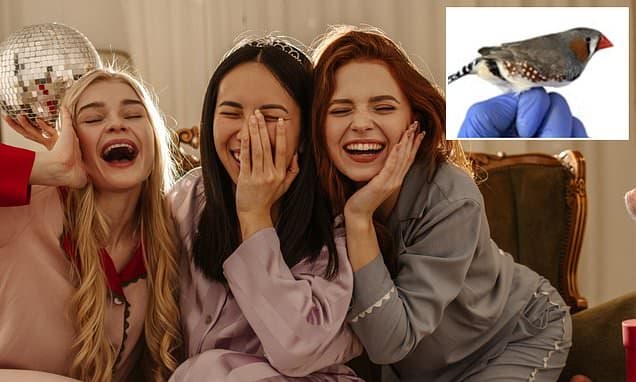
Red Hair's Secret Shield Against Cell Damage

Individuals with red hair may possess a unique cellular mechanism capable of filtering excess cysteine, a compound that can accumulate and cause harm. The pigment pheomelanin, found in red hair and fair skin, plays a role in this process. While cysteine is vital in normal amounts, excessive accumulation can lead to oxidative damage, harming various organs and potentially contributing to aging and cancer by damaging DNA.

Researchers observed this protective effect in zebra finches. Male finches unable to produce pheomelanin showed more cellular damage when exposed to excess cysteine compared to those that could produce the pigment. This suggests that pheomelanin acts as a buffer, mitigating the toxicity of cysteine and preventing serious organ damage.

While pheomelanin does not protect against UV rays, increasing skin cancer risk for redheads, the genes responsible for its production may help balance cysteine levels. Further studies are needed to confirm if this protective mechanism is as active in humans, but initial findings link visible traits like hair color to crucial internal cellular processes.

Disclaimer: This story has been auto-aggregated and auto-summarised by a computer program. This story has not been edited or created by the Feedzop team.
Pheomelanin may help filter excess cysteine, preventing toxic buildup and oxidative damage to organs and DNA.
Excess cysteine can cause oxidative stress and DNA damage, which are linked to aging and cancer initiation.
Yes, male zebra finches lacking pheomelanin showed more cell damage from excess cysteine.

Read more news on

Scienceside-arrow
trending

PFC REC merger approved

trending

Tata Steel share price surges

trending

ITC stock market stability

trending

SBI share price jumps

trending

ITA Airways promotes Olympics

trending

Brandon McMullen scores 41

trending

Scotland seek Italy revenge

trending

Zimbabwe vs Oman T20

trending

Kruthik Krishna proves mettle

You may also like

Yeast Engineered to Produce Ashwagandha's Active Compounds

12 hours ago • 4 reads

article image

Boost Happiness with Berries and Apples

28 Jan • 9 reads

article image

Doctor Warns: OTC Infant Meds Overdosed

22 Jan • 80 reads

article image

Nestle Recalls Infant Formula Over Toxin Fears

7 Jan • 180 reads

article image

Turmeric Spice Matches Heartburn Drug Efficacy

11 Dec, 2025 • 290 reads

article image