Home / Science / Arctic Skies Glow: Rarer Than Northern Lights
Arctic Skies Glow: Rarer Than Northern Lights
11 Feb
Summary
- Polar stratospheric clouds form in extremely cold polar winters.
- Sunlight diffraction through ice crystals creates vivid colors.
- These rare clouds are more elusive than the Northern Lights.
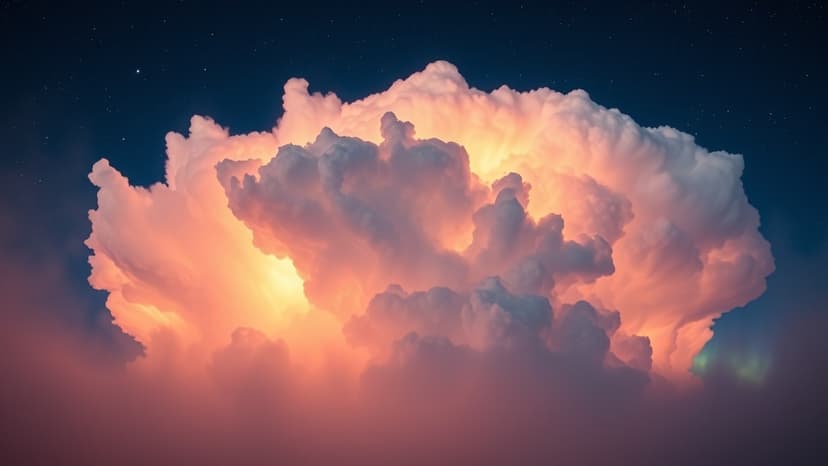
During the Arctic winter, a celestial event even rarer than the Northern Lights has captivated observers. Polar stratospheric clouds, also known as nacreous or "mother-of-pearl" clouds, appear in the stratosphere at exceptionally low temperatures, below minus 85 degrees Celsius. These clouds are composed almost entirely of ice crystals.
The stunning, iridescent colors seen in these high-altitude formations are a result of sunlight diffraction. As sunlight interacts with the tiny ice crystals, it bends and scatters, creating vibrant displays of pink, orange, yellow, and blue hues. These clouds are most visible during civil twilight, just before sunrise or after sunset.
While visually breathtaking, polar stratospheric clouds play a significant role in atmospheric chemistry. They provide surfaces on which chlorine compounds can react, accelerating ozone layer destruction, particularly over polar regions. Scientists monitor their formation closely due to this impact.