


Home / Science / Cave Airflow Reverses, Pushing Radon Out
Cave Airflow Reverses, Pushing Radon Out
14 Apr
Summary
- Scientists study radon fluctuations in Pinega Nature Reserve caves.
- Airflow reverses, increasing radon activity during warmer months.
- Further research needed to determine radon danger to visitors.
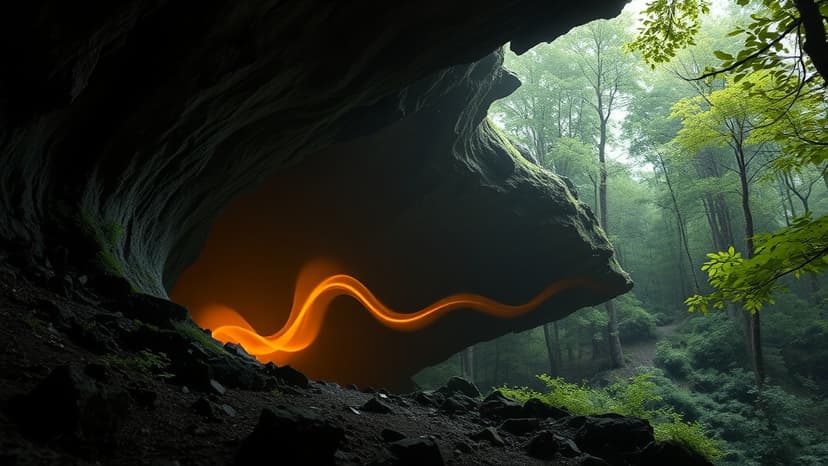
For the first time, scientists are analyzing seasonal and daily fluctuations of the natural radioactive gas radon in the caves of Russia's Pinega Nature Reserve. Research indicates that cave airflow changes significantly with external temperature shifts. During winter, colder atmospheric air enters the caves, lowering radon activity. However, as temperatures climb above 7-8 degrees Celsius, a noticeable reverse airflow occurs, expelling radon-rich air from the cave depths.
This phenomenon leads to increased radon activity near cave entrances during warmer seasons. While radon is a known contributor to lung cancer, researchers currently deem it too early to assess the danger to the public. They stress the importance of further studies to understand peak radon activity periods. Currently, short-term tourist visits are considered of lower risk compared to the prolonged exposure faced by guides and researchers.
