feedzop-word-mark-logo
searchLogin
Feedzop
homeFor YouUnited StatesUnited States
You
bookmarksYour BookmarkshashtagYour Topics
Trending
Terms of UsePrivacy PolicyAboutJobsPartner With Us

© 2026 Advergame Technologies Pvt. Ltd. ("ATPL"). Gamezop ® & Quizzop ® are registered trademarks of ATPL.

Gamezop is a plug-and-play gaming platform that any app or website can integrate to bring casual gaming for its users. Gamezop also operates Quizzop, a quizzing platform, that digital products can add as a trivia section.

Over 5,000 products from more than 70 countries have integrated Gamezop and Quizzop. These include Amazon, Samsung Internet, Snap, Tata Play, AccuWeather, Paytm, Gulf News, and Branch.

Games and trivia increase user engagement significantly within all kinds of apps and websites, besides opening a new stream of advertising revenue. Gamezop and Quizzop take 30 minutes to integrate and can be used for free: both by the products integrating them and end users

Increase ad revenue and engagement on your app / website with games, quizzes, astrology, and cricket content. Visit: business.gamezop.com

Property Code: 5571

Home / Science / Radioactive Trace Found in Philippine Waters

Radioactive Trace Found in Philippine Waters

19 Jan

•

Summary

  • Elevated iodine-129 levels detected west of the Philippines.
  • Isotope likely originated from global nuclear activities, not local plants.
  • Iodine-129 acts as a tracer for ocean pollutant movement.
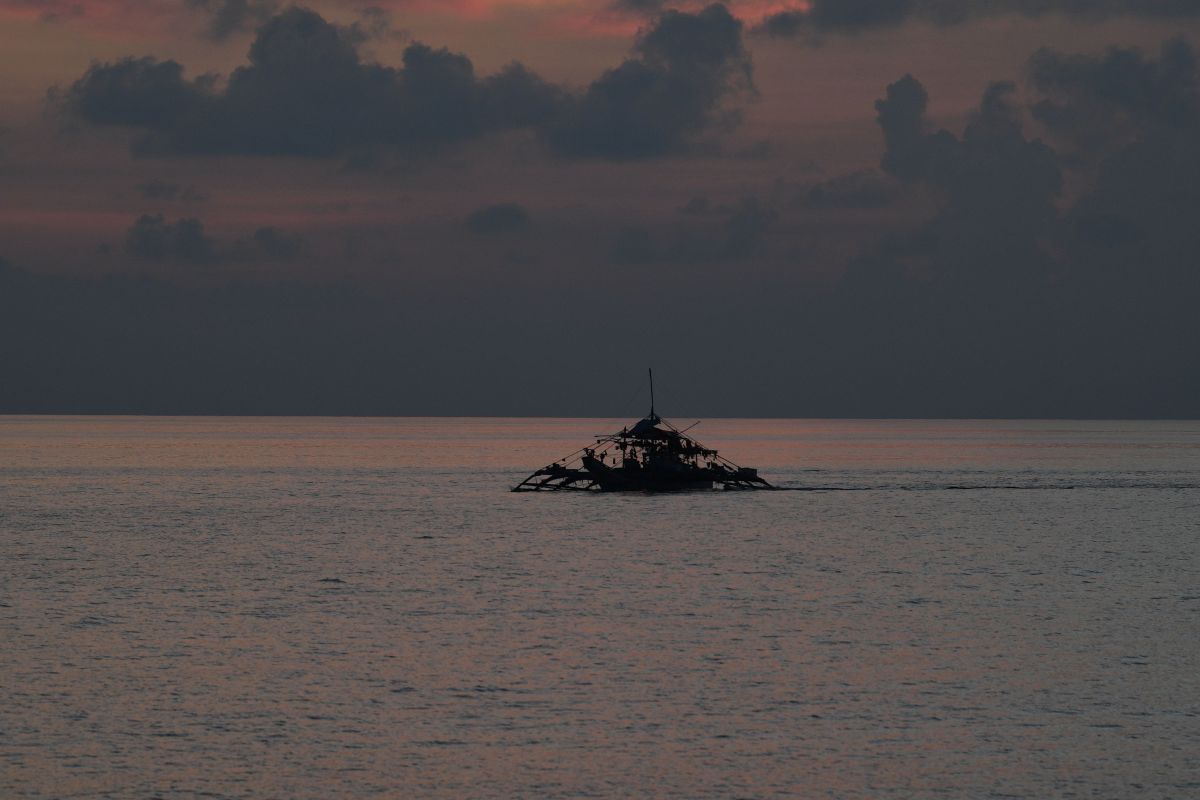
Radioactive Trace Found in Philippine Waters

Scientists have identified heightened concentrations of iodine-129, a persistent radioactive isotope indicative of nuclear activity, in seawater west of the Philippines. Analysis of surface samples revealed levels approximately 1.5 to 1.7 times higher than in other Philippine-claimed waters.

The research suggests that this detected iodine-129 does not stem from the numerous nuclear power plants operating in East Asia. Instead, the enrichment is attributed to a combination of historical nuclear fuel reprocessing, past nuclear weapons testing in regions like China and Kazakhstan, and fallout from the 1986 Chernobyl disaster.

These contaminants were likely deposited on soils in northeastern China, subsequently carried by rivers to the Bohai and Yellow Seas. Ocean currents then transported this material southward, leading to its presence in the West Philippine Sea. The findings underscore the need for improved management of transboundary radioactivity and demonstrate iodine-129's utility in tracking complex ocean circulation patterns.

Disclaimer: This story has been auto-aggregated and auto-summarised by a computer program. This story has not been edited or created by the Feedzop team.
Iodine-129 is a long-lived radioactive isotope primarily generated by nuclear fuel reprocessing, past weapons testing, and major reactor accidents.
No, the concentrations detected are far too low to pose a risk to public health or fisheries.
Researchers believe it originated from global nuclear activities and was transported via ocean currents after deposition in the Yellow Sea basin.

Read more news on

Scienceside-arrowPhilippinesside-arrowChinaside-arrow
trending

S&P 500 sinks: Trump tariffs

trending

Russia's Kamchatka buried in snow

trending

IBRX stock jumps 20%

trending

Micron stock soars with AI

trending

Karamo Brown fears being bullied

trending

Club Brugge defeats Kairat

trending

Snowstorm forecast for UK

trending

China favored over Vietnam U-23

trending

Bill Callahan joins Falcons

You may also like

Radioactive Shrimp Scare: 85,000 Bags Recalled

18 Dec, 2025 • 125 reads

article image

Typhoon Survivors Sue Oil Giant for Climate Damages

11 Dec, 2025 • 213 reads

article image

Chernobyl's Shield Damaged by Drone, IAEA Warns

7 Dec, 2025 • 180 reads

article image

Not Radiation: Why Chernobyl Dogs Turned Blue

6 Dec, 2025 • 175 reads

article image

Chernobyl Fungus Eats Radiation, Offers Space Shield

2 Dec, 2025 • 199 reads

article image