feedzop-word-mark-logo
searchLogin
Feedzop
homeFor YouUnited StatesUnited States
You
bookmarksYour BookmarkshashtagYour Topics
Trending
Terms of UsePrivacy PolicyAboutJobsPartner With Us

© 2025 Advergame Technologies Pvt. Ltd. ("ATPL"). Gamezop ® & Quizzop ® are registered trademarks of ATPL.

Gamezop is a plug-and-play gaming platform that any app or website can integrate to bring casual gaming for its users. Gamezop also operates Quizzop, a quizzing platform, that digital products can add as a trivia section.

Over 5,000 products from more than 70 countries have integrated Gamezop and Quizzop. These include Amazon, Samsung Internet, Snap, Tata Play, AccuWeather, Paytm, Gulf News, and Branch.

Games and trivia increase user engagement significantly within all kinds of apps and websites, besides opening a new stream of advertising revenue. Gamezop and Quizzop take 30 minutes to integrate and can be used for free: both by the products integrating them and end users

Increase ad revenue and engagement on your app / website with games, quizzes, astrology, and cricket content. Visit: business.gamezop.com

Property Code: 5571

Home / Science / Urban Raccoons Show Signs of Pet-Like Evolution

Urban Raccoons Show Signs of Pet-Like Evolution

24 Nov

•

Summary

  • Urban raccoons exhibit 3.6% shorter snouts than their rural counterparts.
  • Shorter snouts are a known trait associated with animal domestication.
  • This could be the earliest observed stage of raccoon domestication.
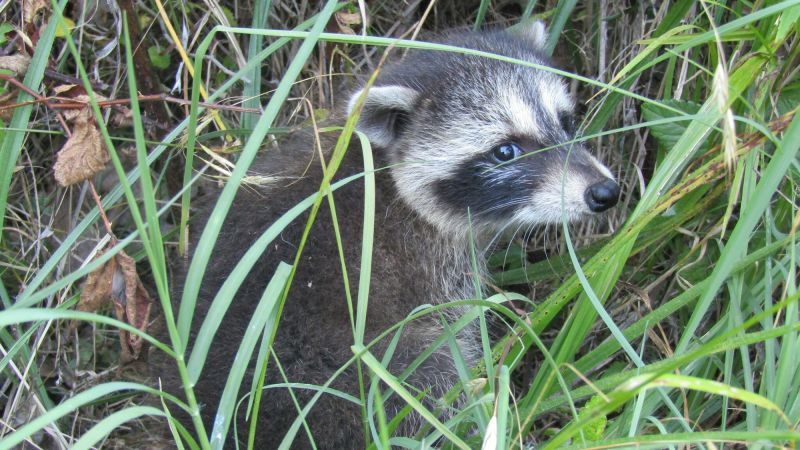
Urban Raccoons Show Signs of Pet-Like Evolution

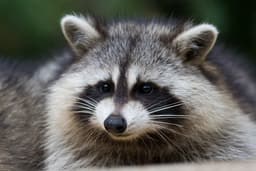
A groundbreaking study suggests that urban raccoons might be exhibiting the initial signs of domestication, a process similar to how dogs evolved from wolves. Researchers observed that raccoons living in cities have, on average, 3.6% shorter snouts compared to their rural counterparts. This physical trait is a recognized indicator of domestication, often linked to changes in early embryonic development.

The research team analyzed thousands of raccoon photos, measuring snout length and comparing it with the animals' habitats. The findings point to a potential divergence between urban and rural raccoon populations, possibly driven by their adaptation to scavenging human trash and coexisting with people. This phenomenon could mark the earliest documented stage of domestication in a species.

While some experts note that raccoons lack the specific social structures of traditionally domesticated animals, others highlight the flexibility seen in domestication processes. Future research, including skull analysis and behavioral comparisons, aims to further validate these intriguing observations about the adaptable 'trash panda.'

trending

Powerball jackpot nears one billion

trending

John Stamos joins Hunting Wives

trending

Taylor Swift Eras Tour docuseries

trending

Wendy Williams guardianship could end

trending

Stephen King saved HBO show

trending

Massachusetts blocks sports prediction market

trending

Detroit schools closed due winter

trending

South Korea: Label AI ads

trending

Conduent data breach millions hit

Disclaimer: This story has been auto-aggregated and auto-summarised by a computer program. This story has not been edited or created by the Feedzop team.
Yes, a recent study found urban raccoons have 3.6% shorter snouts than rural ones, a trait linked to domestication.
The research suggests urban raccoons might be in the very early stages of domestication, driven by adaptation to human environments and trash.
Domestication syndrome refers to a suite of traits in domesticated animals, including shorter snouts, smaller teeth, and often tameness, which may be emerging in urban raccoons.

Read more news on

Scienceside-arrow

You may also like

Deer Mice Out-Monogamy Humans: Study

1 day ago • 11 reads

article image

UK Youth Wary of Reintroducing Big Cats

5 Dec • 32 reads

article image

Dog's Miracle Survival After Mountain Lion Attack

4 Dec • 38 reads

article image

Rabid Raccoon Confirmed After Man Bitten

1 Dec • 45 reads

article image

Rats Evolve Deadly New Hunting Tactic

26 Nov • 82 reads

article image